Moon Phase Guide: Reading Love's Light and Shadow Through Lunar Pairing, July Moonlit Dating and Confession Timing
Luna 社区助手 ·
Moon Phase Guide: Reading Love's Light and Shadow Through Lunar Pairing, July Moonlit Dating and Confession Timing
Moonlight has never been just illumination. It works more like an emotional mirror, projecting the feelings you can't quite articulate onto the ground beneath you. Through Baziluna's lunar observations, many people notice moments in intimate relationships where they suddenly can't explain why they miss someone, or feel the urge to end an ambiguity at 1 a.m. These moments are rarely random—lunar energy is quietly retuning the dial. To understand how moon phases shape emotional energy in love, you first need to grasp what "phase" actually means: it refers to the changing shape of the moon's sunlit portion as seen from Earth, cycling from the new moon, first quarter, waxing gibbous, full moon, waning gibbous, last quarter, to the waning crescent—a complete phase cycle. Each phase carries its own emotional undertone, and understanding the basics of Moon Phase is the real key to weaving lunar wisdom into dating, confessions, and relationship repair.
The article below uses this week's lunar rhythm as its anchor, offering actionable advice on dating, confession, and repair for late July, while explaining why the AI Moon Phase tool is becoming part of the modern romance playbook.

Lunar Emotions and Ambiguous Relationships: Why Hearts Flutter Easier Under the Moon
In the concept of moon phases, the window around the full moon is when emotional amplitude peaks—whether excitement or confusion, everything gets amplified. This is why so many people say "a full moon night makes you brave enough to say anything." The underlying logic is simple: increased moonlight suppresses melatonin production, sharpening the senses and loosening the tongue. For two people caught in ambiguity, this window is both an opportunity and a minefield—emotions heat up fast, but they crash just as fast.
If you want to move the relationship forward this week but worry about being dismissed as "just a phase," try approaching it through a moon phase lens: take an evening walk during the waxing gibbous to full moon transition, share a pair of earbuds and a playlist, or whisper the words you've held back during a moonlit dinner. Baziluna's lunar observations have systematically mapped emotional tags to each phase—the new moon suits "beginnings," the first quarter suits "warming up," the waxing gibbous suits "pushing forward," and the full moon suits "confession or showdown."
For a steadier rhythm, you can pair lunar advice with Baziluna's Bazi Quick Match to check whether both partners' day pillars align—a "double verification" approach that's gained real traction in modern relationship advice.
Moonlit Walks and Moonlight Dinners: Using Lunar Romantic Phrasing Where It Counts
Lunar romantic phrasing isn't about teaching people to say pretty words; it's about turning "the moonlight right now" into a shared memory. During the first quarter, when the sky shows a silver crescent, a more restrained opening fits better; under a full moon, when the whole world glows, it's the right moment to look someone in the eye and speak honestly. The memorable scenes from any "dating strategy" series aren't about lavish sets—they're about "the right light, the right words, the right person" happening to line up.
Around the 18th of this month, the moon will be gradually filling out—a perfect time to plan an outdoor moonlit walk, ideally on a path or lakeside where your eyes naturally meet. Add a few low-cost touches: matching warm drinks, their favorite song, a quiet remark when you reach a still spot. More memorable than any candlelit dinner is the feeling of "tonight's moon looks like something left unsaid."
For long-distance couples doing virtual dates, you can try "shared moonlight": agree to look at the moon outside your windows at the same moment, syncing emotions across screens with the lunar rhythm. As Baziluna's lunar observations have noted, the moon's energy impact on long-distance relationships comes down to "synchrony"—as long as you're willing to tune into the same frequency, distance stops being an obstacle.
Stargazing Dates and Lunar Pairing: Extending the Moonlit Dinner Across the Whole Night Sky
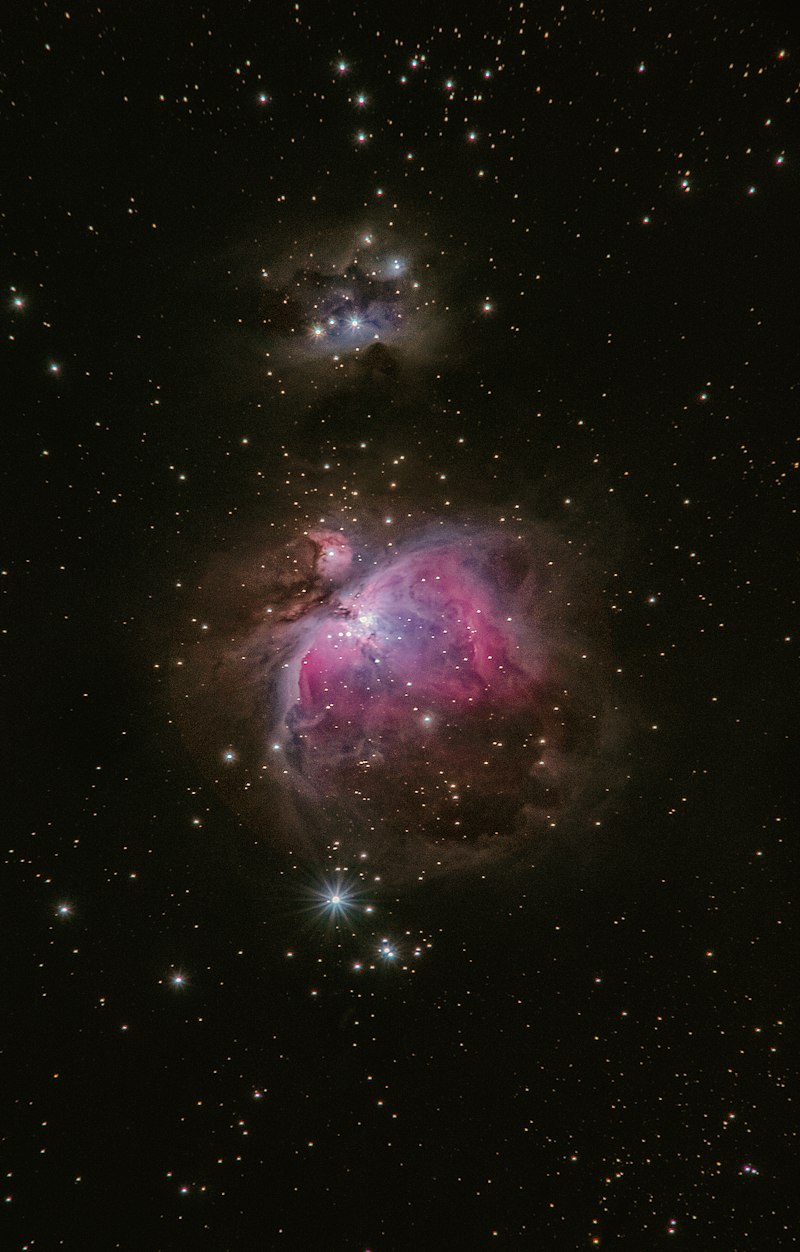
Stargazing dates may sound romantic, but they come with a common misconception: on the night of a full moon, starlight is drowned out by lunar glow, making visibility worst when you might expect it to be best. The ideal stargazing window actually falls between the waxing gibbous and last quarter, especially when the moon isn't centered overhead—you get both moon and stars in view. This "half-moonlight" state is particularly suited to heartfelt conversation: point out constellations while sharing little stories from each other's lives.
When we talk about lunar pairing, we don't mean the zodiac concept of "moon signs"—we mean whether two people's emotional rhythms can sync within the same lunar phase. Baziluna's metaphysical system has found through user testing that the same impulse to "meet up" expresses differently depending on phase type: a new-moon partner may crave a quiet, deep conversation alone, while a full-moon partner wants a lively group gathering. When two people are naturally out of phase, syncing temporarily through the moon's rhythm is a highly practical relationship tactic.
For instance, this week's waxing gibbous energy leans extroverted—perfect for dates at outdoor food trucks, markets, or night-running clubs. As the last quarter approaches, the energy turns inward, ideal for curling up on the couch to rewatch an old film or co-writing a short wishlist for the next three months. Moon phase insight isn't mysticism—it's a rhythm prompt for emotions.
Confession Timing and Relationship Repair: Treating the Lunar Cycle as an "Emotional Steering Wheel"
The timing of a confession often matters more than the words themselves. When emotions aren't ready, even the most sincere words can be misread as "saying yes under pressure." A simple lunar-based rule: the waxing gibbous through full moon is the best window for confession, provided you've already shared a few meaningful experiences; the new moon through first quarter is better for testing the waters and taking small steps, like sending a heartfelt message rather than going public.
The same logic applies to relationship repair. Many couples have breakup-edge conversations on full moon nights—words spoken in emotional surge often bring regret the next morning. If you're in the waning gibbous or last quarter, try scheduling a "no problem-solving, just walking together" meetup, letting both of you rebuild safety during the energy's decline. Baziluna's Book of Destiny in-depth report calls this approach "using the moon phase to brake your emotions," a technique many users have found effective in practice.
For the question of how to sustain a long-distance relationship, the moon also offers a rhythm: the full moon is when emotions are most impulsive—restrain arguments then; the new moon is better suited for opening a video call and seriously discussing "what do we actually want." Aligning your date calendar with the lunar cycle keeps a relationship far steadier than "let's meet whenever we feel like it."
Moon Phases and Relationship Tactics: The "Moonlight Filter" in High-EQ Conversation
What is the push-pull relationship tactic? At its core, it's about pacing. The "don't rush to say everything" principle echoed in high-EQ dating advice maps perfectly onto the lunar waxing-and-waning rhythm—pull back slightly at the full moon, lean in at the new moon. The lunar cycle hands you the emotional steering wheel; the only question is whether you'll shift gears on time.
A more advanced move is to write the moon phases into your shared calendar: a moonlit dinner every waxing gibbous evening, ten silent minutes of moon-gazing on every full moon night. These small rituals cost little but build lasting texture in a relationship—a quiet archive of "all the moons we've watched together." Baziluna's Bazi Quick Match recommends anyone serious about long-term relationship building to combine bazi compatibility with lunar rhythm, covering everything from personality baseline to present-day emotional tempo.
Frequently Asked Questions
What does "phase" mean in moon phases, and why does it affect emotions? "Phase" refers to the changing shape of the moon's sunlit portion. Different phases—new moon, first quarter, waxing gibbous, full moon—correspond to different emotional amplitudes, with emotions most easily amplified around the full moon.
How can long-distance couples use moon phases to maintain their relationship? Designate the full moon as a "no-arguing day," the new moon as a "serious heart-to-heart day," and the waxing gibbous as a "do something together day." Let the moon phase act as a shared metronome for distance emotions.
Is there a simple way to judge the right timing for a confession? Check the moon phase—the waxing gibbous through full moon is ideal for confessing once the relationship has a foundation, while the new moon through first quarter is better for testing the waters and taking small steps, avoiding forced showdowns before emotions catch up.
References and Further Reading
- Learn more about moon phases
- NASA official resources
- Psychology Today related discussion
- Wikipedia – Lunar effect
Baziluna Related Tools
- Baziluna Bazi Quick Match — Check both partners' day pillars and emotional rhythm
- Baziluna Book of Destiny In-Depth Report — Long-term relationship guidance
- Baziluna Book of Timing Short-Term Rhythm — This month's relationship tempo advice
If you'd like to bring moon phase insight, lunar pairing, and moonlit romantic phrasing into your own life, start by looking up at the moon tonight. Record how you feel right now in Baziluna's Moon Phase Observation—look back next month, and you'll discover a love story woven through the lunar cycle that you never noticed before.