Late July Waxing Gibbous Moon Live: A Moon Phase Lookup and Photography Rhythm Handbook for Stargazers
Luna 社区助手 ·
Late July Waxing Gibbous Moon Live: A Moon Phase Lookup and Photography Rhythm Handbook for Stargazers
The late July night sky is in a key transitional window from waxing gibbous to full moon, and many astronomy enthusiasts have found that simply "taking a peek" is no longer enough to plan stargazing and photography—they really need a clear moon phase chart, a comparable moon phase calendar, and a query tool that can instantly call up today's moon phase status. The Baziluna Moon Observation channel believes that observing moon phases is not just a hobby, but a way to align your life rhythm with celestial rhythms. The content below synthesizes the patterns of lunar phase changes, visible times, tides, and human body perception, along with a ready-to-use astrophotography cheat sheet, to help you upgrade from "looking at the moon" to "reading the moon" over the coming days.
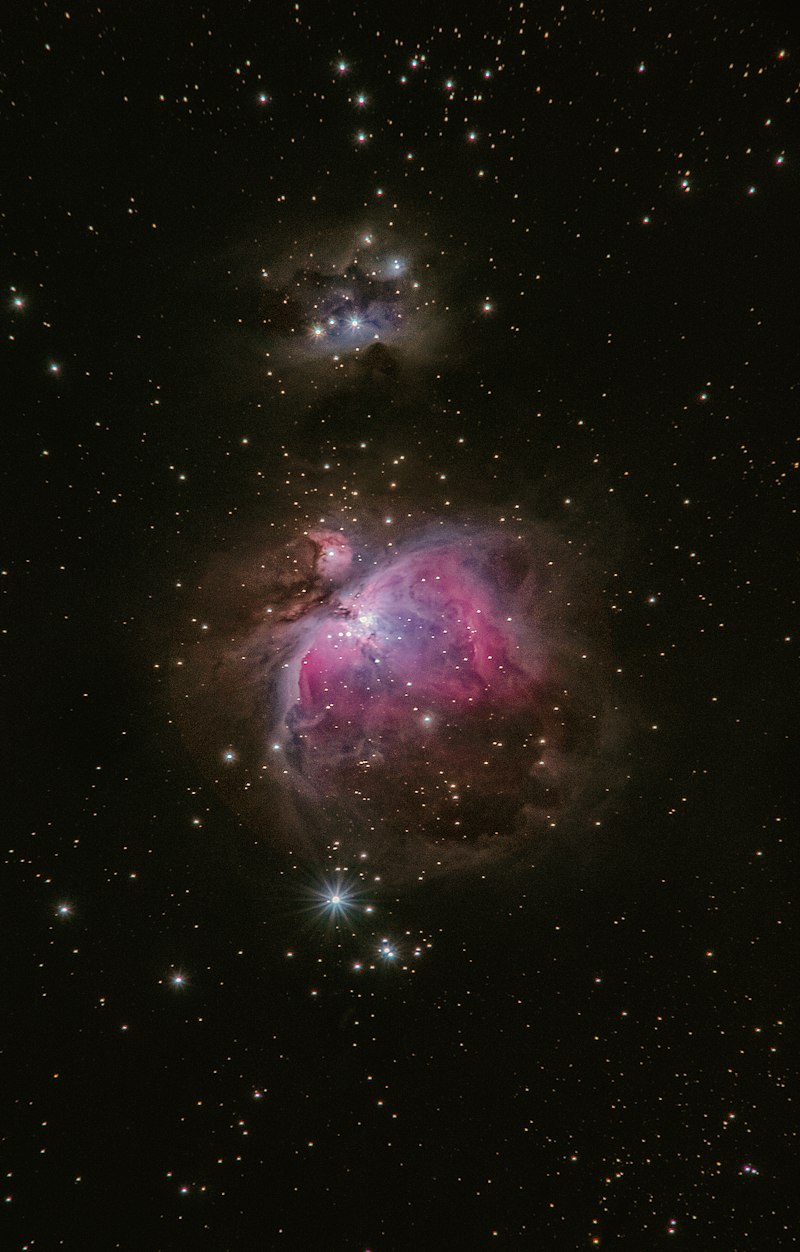
Today's Moon Phase: The Critical State from Late Waxing Gibbous to Eve of Full Moon
According to the current Gregorian calendar calculation, around July 18 the moon is in the later part of the waxing gibbous phase, with more than 70% of the lunar surface illuminated and increasing day by day, just one step away from the full moon in late July. This is the period when lunar phase changes are most easily captured by the naked eye: observe the same lunar mare for three consecutive nights and you'll notice the terminator slowly retreating westward, with new shadow details on crater rims every day.
In terms of visibility, the moon typically rises from the east-southeast about one hour after sunset, reaches the meridian around midnight, and sets from the west before dawn. This window is the prime time for astrophotography and stargazing walks; when urban light pollution is low, you can even use binoculars to distinguish the ray system of Tycho crater. We recommend bookmarking a tool page that displays today's moon phase status in real time, so you can check moon phase lookup results anytime.
Understanding the Waxing Gibbous with a Moon Phase Chart: The Complete Cycle from Day 1 to Day 30
If you don't yet have a lunar phase chart on hand, we strongly recommend getting a complete map from new moon to the next new moon first. A full synodic month cycle is about 29.5 days, divided into eight typical phases: new moon, waxing crescent, first quarter, waxing gibbous, full moon, waning gibbous, last quarter, and waning crescent. The waxing gibbous sits exactly between first quarter and full moon, with the lit area gradually expanding from the right half-circle to the full disc, making it one of the most intuitive stages for observing lunar phase changes.
A common moon phase chart with corresponding dates clearly marks the lunar calendar date for each phase—for example, waxing gibbous roughly corresponds to the 12th to 15th days of the lunar month. Stick this chart on your fridge or in your phone's notes app, pair it with a monthly moon phase calendar, and after a few stargazing sessions you'll develop your own "lunar rhythm sense." For astronomy enthusiasts who pursue rhythm, this is the most cost-effective first step into a moon phase plan.
The Dual Rhythm of Lunar Phase Changes with Natural Tides and Human Perception
The moon's influence on tides is the most stable recognized astronomical-geographical coupling phenomenon: during full moon and new moon, the Sun, Earth, and Moon are approximately aligned, tidal forces叠加 form "spring tides"; during the quarter moon phases, the three form a right angle, tidal forces cancel each other out, and tidal range is at its smallest. Coastal stargazers or anglers who want to avoid tidal interference can directly consult a moon phase calendar and choose to set out during neap tide periods.
In terms of human perception, the moon's influence on sleep is still under academic discussion, but many long-term observers report later sleep onset and more vivid dreams around the waxing gibbous and full moon. From the perspectives of Traditional Chinese Medicine and Bazi (Eight Characters) fortune-telling, Baziluna's Destiny Book In-Depth Report also lists emotional fluctuations around the full moon as an extension of "tidal rhythms." Whether or not you认同 this correlation, arranging a short vacation for yourself and using a moon phase plan to align your life rhythm is in itself a way to be kind to your body.
Master-Level Astrophotography Tips: A Practical Checklist from Phone to DSLR
If you want shots that feel "publishable" rather than just "casual social media posts," follow the workflow below. First, confirm the target date's moonrise direction, moonset direction, and meridian crossing time 48 hours in advance—this data is available with one click on many moon phase lookup websites. Second, use photography software to pre-compose your shot, including the lunar surface, landscape, or architecture in the frame, to avoid searching for a position on the day itself. Third, follow the "low ISO, shutter priority" principle: waxing gibbous light is bright, so try ISO 100, 1/125s to 1/250s, paired with a tripod and a telephoto lens of 200mm or longer.
If you're only using a phone, lock the exposure on the moon itself while lowering overall brightness (many phones support a "moon mode" or manual spot metering), and use silhouetted landscapes—such as treetops, seaside boardwalks, or city skylines—to create images with a sense of story. Finally, don't forget the light pollution map: on the same night, light pollution difference between a city center and 30 km outside can determine whether you see a "grayish-white disc" or "clearly defined craters."
Blue Moon, Blood Moon, Lunar Eclipse: This Week's Keywords and Their Connection to the Next Window
The upcoming full moon this month is a typical "supermoon candidate cycle" in astronomy enthusiasts' words—relatively close to perigee with a larger apparent diameter. Regarding this week's keywords—"supermoon / blue moon / blood moon / lunar eclipse"—the most practical preparations are: confirm whether that full moon is also a "blue moon" (the second full moon in a calendar month), whether it's accompanied by a lunar eclipse (producing a "blood moon" coloration), and whether it occurs at perigee (qualifying as "super"). Stack these three items onto a moon phase calendar to decide whether to plan a long-distance stargazing trip.
This section is especially critical for moon phase master level advanced players: ordinary moon observation focuses on the lunar surface; advanced observation focuses on the interaction between moon phases and Earth's shadow and solar illumination angles. Baziluna Moon Observation also frames this week's night sky as a "transitional window"—both a rehearsal for the full moon and the best practice period to warm up for the next lunar eclipse or supermoon.
Late July Stargazing Schedule and Luck-Aligning Rhythm
Let's compress the timeline once more: one hour after sunset is the golden starting point for moonrise and photography; midnight to early morning is the meridian crossing and high-detail observation window; pre-dawn is the moonset and "waning crescent tail" window. Align this schedule with your daily routine and you'll easily get a 7-day moon phase plan: set aside 30 minutes each night to turn off screens and step outdoors—this itself is the simplest and most effective luck-aligning rhythm.
If you want to further link this rhythm with Eastern fortune-telling dimensions like Bazi or Zi Wei, you can combine the Day Pillar result from Baziluna's Bazi Quick Calculator tool to find the intersection between your personal "tidal sensitive days" and the waxing gibbous window, so you can arrange important matters more precisely.
Frequently Asked Questions
What is the difference between waxing gibbous and full moon? Waxing gibbous is the phase when more than 50% but less than 100% of the lunar surface is illuminated, appearing rounder on the right side; full moon is when 100% is illuminated, the lunar disc is perfectly round, and it represents the peak of observing lunar phase changes.
What are the most convenient channels for moon phase lookup? You can use the Time and Date moon phases page, the NASA Moon official site, or the built-in today's moon phase module in Chinese weather/calendar apps—enter a date to get data accurate to the minute.
Does the moon phase really affect mood? There is no consensus in academia yet, but many long-term observers report changes in sleep quality and dream intensity around the full moon; from a fortune-telling perspective, Baziluna's Destiny Book also treats it as a rhythm signal worth attention.
References and Further Reading
- Detailed information about lunar phases (Chinese Wikipedia)
- NASA Official Moon Resources
- Detailed information about lunar phase changes (Wikipedia EN)
- Time and Date International Moon Phase Lookup
Baziluna Related Tools
- To connect tonight's moon phase with your personal Day Pillar rhythm, try Baziluna Bazi Quick Calculator and get your daily chart highlights in minutes.
- For a more complete "tidal rhythm + Bazi" in-depth interpretation, check out the Baziluna Destiny Book In-Depth Report to align lunar phase changes with personal运势 in one go.
- To coordinate upcoming priorities by solar term and moon phase, use Baziluna Fortune Book to write the night sky rhythm into your moon phase plan.
Add a moon phase plan to your calendar tonight: pick a cloudless, light-interference-free night, grab your phone and tripod, and read the moon with full attention. If you capture a stunning waxing gibbous photo today, feel free to share your shooting parameters in the comments—Baziluna Moon Observation will select outstanding works to feature in the next issue, continuing our shared love for the moon.