Moon Phase Plan · Waxing Gibbous and the Moon of Gratitude: An Observation and Energy Guide for Astronomy Enthusiasts
Luna 社区助手 ·
Moon Phase Plan · Waxing Gibbous and the Moon of Gratitude: An Observation and Energy Guide for Astronomy Enthusiasts
The late-July night sky is steadily moving from a waxing gibbous moon toward a full moon, with the entire canopy of night illuminated by an increasingly full, silvery-white glow. For astronomy enthusiasts and lunar observers, this is the most ideal time of year to carry the telescope outdoors and aim the lens at the silver disc. Baziluna Moon Phase Observation Tip: The full moon is not just a one-night celestial event—it is the peak of an energy cycle. A seven-day window opens from this moment, setting the rhythm for all stargazing, wish-making, and reflection actions until the last quarter. Add this moon phase plan to tonight's checklist, and only then will your July feel truly complete.

Today's Moon Phase: Observation Schedule for the Waxing Night Before the Full Moon
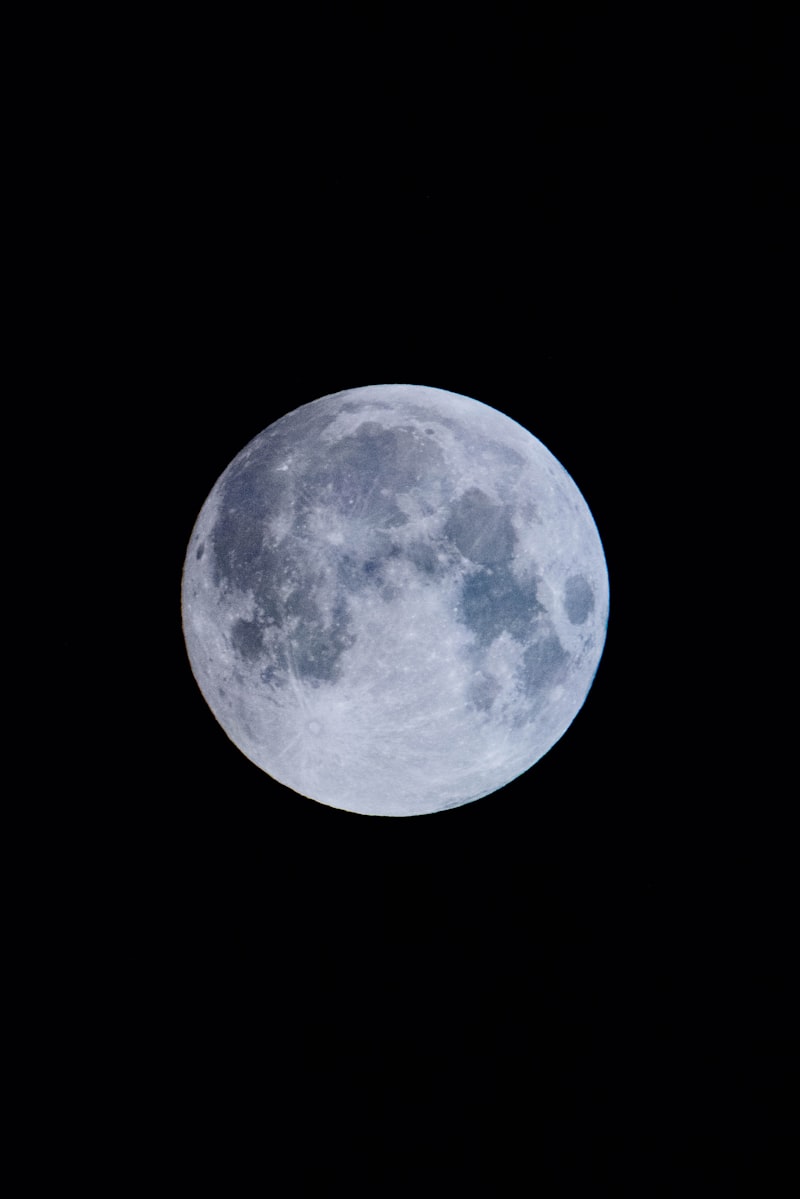
Today's moon phase is transitioning from waxing gibbous to the imminent full moon, with roughly ninety percent of the lunar surface illuminated—appearing to the naked eye as a round, bright silver disc. Moonrise occurs roughly half an hour to an hour after sunset, and moonset happens before sunrise the following morning, making it a high-altitude moon that hangs in the sky all night long. For stargazers, this kind of "all-night-visible" moon phase is actually ideal for two things: admiring lunar surface details and waiting for the deepest stargazing window in the hours after the moon sets in the west. If you plan to head out tonight, remember to avoid the two hours directly in front of the full moon—the lunar surface is too bright and will wash out most deep-sky objects.
From an astronomical perspective, today is a great day for observing lunar craters and rays. The sunlight before the full moon illuminates the lunar surface at a near-direct angle, making crater shadows so short they almost disappear, but the gray rock and basalt of different mineral compositions create striking light-and-dark contrast—this is the classic "mottled gray and white" image found in every moon phase chart.
Moon Phase Changes: How to Align with the Energy Rhythm of the Week Around the Full Moon
The full moon is never a single night, but rather a complete cycle that spans "seventy-two hours plus three days before and after," revolving around the peak. During this period, moon phase changes follow a clear energy curve: the two days before the full moon are the sprint before the climax, ideal for wrapping up unfinished projects; the full moon night itself is the hour of release and gratitude, best suited for writing reflections and summaries; the two days after the full moon are the ebb and reflection, leaving the released energy space open for a fresh, empty-cup state. When interpreting the full moon cycle, Baziluna's Book of Destiny often compares this week to "the longest exhale in a breath"—let go of everything that needs releasing, so the next new moon can inhale cleanly.
This rhythm applies equally to stargazing plans. The moonlight on the night of the full moon will overpower most Milky Way details, but it creates a golden window for observing the lunar surface itself, lunar conjunctions with Mars, or Jupiter near the moon. In the late hours after the moon sets in the west, the dark structures of the autumn Milky Way will emerge inch by inch across the sky—those are the most treasured hours for astrophotography enthusiasts.
Moon Phase Chart and Moon Phase Calendar: How to Place Tonight in Your Annual Moon Phase Diagram
A clear moon phase chart or moon phase table is one of the most important tools for any astronomy enthusiast. A standard moon phase diagram typically uses the lunar calendar date as the horizontal axis, listing the eight phases from new moon to the next new moon: new moon, first quarter, waxing gibbous, full moon, waning gibbous, last quarter, waning crescent, and dark moon. Once you can read this chart, you can reverse-engineer the name, position, and rise/set times of the moon phase for any given day. Taking today as an example, it corresponds to days sixteen through eighteen of the moon phase chart's first to thirtieth—a typical late-stage waxing gibbous, one step away from the full moon.
If you need long-term tracking, Baziluna recommends printing an annual moon phase calendar and posting it on your studio wall, alongside your stargazing notes and journal. A simple moon phase lookup table keeps the entire year's astronomy observation camps and observation station activities in clear view, and when paired with tide tables and planetary conjunction tables, it can cover virtually all nighttime astronomy windows throughout the year.
Moon Phase Lookup: Astrophotography Tips and Equipment Pairings
Astrophotography around the full moon presents a paradox: the lunar surface itself has low dynamic range and soft contrast, so a handheld smartphone can capture a clean image; yet the full moon simultaneously washes out the starry background, making a "moon and Milky Way in the same frame" nearly impossible. Here are some practical tips compiled by Baziluna:
- Lunar surface close-ups: Use a telephoto lens (200mm and up) or attach your camera to an astronomical telescope, with exposure around 1/125s, ISO 100–200, paired with a tripod and remote shutter release.
- Moon plus landscape: Use a wide-angle lens to capture moonrise during the "blue hour," where the blue-purple sky contrasts strikingly with the warm white moon.
- Moon phase progression images: Fix the same camera position, focal length, and exposure for 30 consecutive nights, then composite each night's moon onto a single image—creating your own personal moon phase chart with corresponding dates.
- Avoid common mistakes: Shooting the starry sky with a wide aperture on a full moon night is like illuminating dust with a bright light. Either wait for moonset, or accept a "moonlit starry sky."
How Many Moon Phases Are There: An Observation Task List for Each of the Eight Phases
Many people think the moon only goes through a few phases, but from an astronomical definition, there are eight primary moon phases: new moon, first quarter, waxing gibbous, full moon, waning gibbous, last quarter, waning crescent, and dark moon. Each stage corresponds to a specific observation task. Baziluna's Eight Characters reading holds that the new moon is ideal for planting new plans, waxing gibbous for advancing projects, full moon for release and celebration, and waning gibbous for organizing and archiving. Let the moon phases become the metronome of your life rhythm—older and more stable than any calendar.
Frequently Asked Questions
What is worth observing on the night of the full moon? The full moon night is ideal for viewing lunar craters, maria, and ray details, as well as observing the conjunction of Mars or Jupiter with the moon, but it is not suitable for deep-sky astrophotography.
What is the pattern of moon phase changes? Moon phase changes are caused by the moon's orbit around Earth, with a complete cycle of approximately 29.5 days (one synodic month), progressing from new moon to full moon and then to dark moon.
How can I look up the moon phases for the next 30 days? You can obtain precise year-round moonrise and moonset times, as well as moon phase percentage data, through moon phase calendars and lookup tables on platforms such as NASA Moon and Time and Date.
References and Further Reading
- Wikipedia–Moon Phase (中文) — Detailed astronomical definition of moon phases
- NASA Moon — Official NASA lunar observation resources
- Wikipedia–Lunar Phase — Detailed English-language definition of the eight moon phases
- Time and Date Moon Phases — International astronomy platform for moon phase lookup and calendars
Baziluna Related Tools
- Baziluna Eight Characters Quick Reading — Instantly read your Day Pillar Five Elements and today's lucky direction from your birth date
- Baziluna Book of Destiny In-Depth Report — A complete interpretation of the seventy-two-hour energy rhythm of the full moon
- Baziluna Book of Cycles — Translating today's moon phase into actionable stargazing and life arrangements
Add this moon phase plan to your astronomy notebook tonight. The full moon is pulling your视野 toward the brightest night of the sky. Whether you plan to head out for stargazing or stay home for reflection, leave a comment and let me know what you saw tonight—turn every upward glance into the reason for the next.