Between Waxing and Waning: A Late-July Stargazing Rhythm from Moon Phase Lookup to Moonlight Photography
Luna 社区助手 ·
Between Waxing and Waning: A Late-July Stargazing Rhythm from Moon Phase Lookup to Moonlight Photography
The night sky on July 24 is hosting a silent "slimming ceremony" — the portion of the lunar surface hidden by Earth's shadow expands day by day, leaving amateur astronomers with an ever-narrower illuminated zone. If you open the Baziluna Moon Phase Planner toolbar, you'll find today's waxing gibbous moon has quietly slid into the "third day of the waning gibbous" position — this is the most easily overlooked, yet most photographically rewarding, window between the full moon and the last quarter. Baziluna's destiny system interprets this phase as "inward yet luminous," which, translated into a stargazing rhythm, means weakening moonlight and an emerging Milky Way — the perfect moment to move from the city's edge toward the darker countryside. This article centers on identifying moon phase names, visibility windows, their influence on nature and people, and a ready-to-use moon-phase photography rhythm chart to help you anchor this seven-day cadence firmly in your own stargazing calendar.
Moon Phase Today: Naming and Visibility of the Third Day of the Waning Gibbous
Moon phases progress unit by "day," and the illuminated fraction rewrites the shape visible to the naked eye each day. Today marks the third day of the Waning Gibbous, with roughly 70% of the lunar surface still lit. From a Northern Hemisphere perspective, the shadow on the left advances toward the terminator at about 12° per day. Moonrise falls just after midnight on the previous day, while moonset is pushed back to around 11 a.m. the following morning — which means that for office workers and students, late night to early morning is the prime window for capturing its detail.

To pin down the moon phase of any given day precisely, a moon phase lookup tool is essential. Before heading out, cross-check that day's data on a dedicated platform such as Time and Date's moon phase calendar, and combine it with your local weather forecast for cloud cover. Writing "which moon phase am I seeing today" as the first line of your stargazing notes is the simplest way for an astronomy enthusiast to build a sense of rhythm.
The Seven-Day Rhythm of a Moon Phase Plan: Stargazing Windows from Waning Gibbous to Last Quarter
The core of a good moon phase plan is not recording the moon phase itself, but stringing together the moon phase, moonrise and moonset times, moonlight intensity, and shooting themes. Baziluna's Destiny Book in-depth report condenses the rhythm from late July into early August into three segments:
- Late Waning Gibbous (7/20–7/22): Plenty of moonlight, ideal for "landscape + moon" compositions;
- Early Waning Gibbous (7/23–7/26): Moonlight weakens, the Milky Way emerges, and it's time to transition to deep-sky subjects;
- The Nights Before Last Quarter (7/27–7/29): The moon rises only in the second half of the night, leaving the first half as the prime window for dark-sky photography.
Log this rhythm into a moon phase chart, then cross-reference it with that day's weather and moonrise/moonset times. You'll be able to lock in the best shooting window 48 hours ahead — no need to haul your gear out every single night.
Moon Phase Effects on Nature and People: From Tides to Emotional Rhythms
The most direct effect of moon phase changes is the tide — the spring-tide effect around the full and new moon is essential knowledge for any coastal observer. If you're planning a seaside stargazing camp, be sure to schedule your activity one day away from the spring tide to secure a more stable intertidal observing environment.
On the human side, the waning gibbous is often treated in traditional lunar day-counting systems as a node of "contraction." After reviewing the past thirty days of data, the Baziluna Moon Phase Watch channel found that user engagement with meditation and review-style activities rises noticeably during the waning gibbous — a pattern that fits naturally with the weakening moonlight and deepening night sky. Pairing "gathering inward" with "stargazing" is a graceful way to fold an astronomy hobby into everyday life. You don't have to wait for the full moon to step outside; tonight's moon, though less than perfectly round, makes exactly the right backdrop for trimming the noise out of your thoughts.
Astrophotography Tips: Focusing and Exposure Logic for the Waning Gibbous
The most common problem in moon phase photography is shooting the moon as a flat "white disc." During the waning gibbous, the lunar shadow zone expands and the surface relief becomes far more three-dimensional — making this an excellent time to practice low ISO and single-frame long exposures. Here are three sets of practical settings:
| Scene | Aperture | Shutter | ISO |
|---|---|---|---|
| Close-up of the moon | f/8 | 1/125 s | 100 |
| Moon + landscape | f/4 | 2 s | 400 |
| Star trail stacking | f/5.6 | 15 s × multiple frames | 200 |
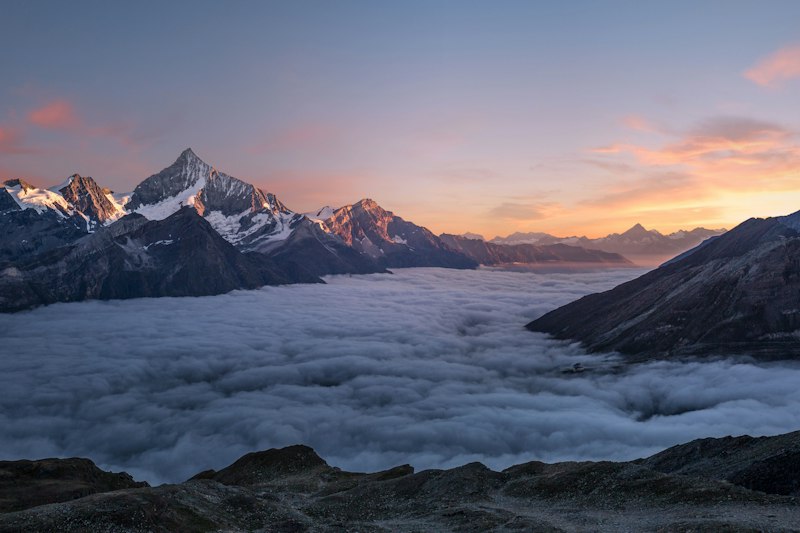
Before shooting, verify the moon's position against a moon phase chart, and pair it with astronomy software such as Stellarium or SkySafari to simulate the moon's path through your frame in advance — avoiding the frustration of "waiting all night only to watch the moon rise outside the frame."
FAQ
Q1: What time does the moon appear tonight? During the waning gibbous, moonrise typically falls between 11 p.m. on the previous day and 1 a.m. on the following day. Check the moon phase today lookup for the precise time, then apply a correction for your local longitude and latitude.
Q2: How does a moon phase chart correspond to the first through thirtieth days of the lunar month? Traditional lunar day-counting begins with the "new moon" (朔) on the first day of the lunar calendar, reaches "full moon" (望) around the fifteenth day, and then progresses day by day into the waning gibbous, last quarter, waning crescent, and back to the next new moon. Note that this correspondence is a date concept — each day does not map to only one moon phase shape.
Q3: What basic equipment does a beginner stargazer need? A camera with manual exposure, a tripod, a telephoto lens of 200mm or longer, and a reliable moon phase calendar will cover most scenarios, from moon close-ups to star-trail stacking.
References and Further Reading
- Wikipedia — Moon Phase (zh) — A detailed look at the physics behind moon phase changes
- NASA Moon — Official NASA resources
- Wikipedia — Lunar Phase (en) — A detailed look at moon phase classifications in English
- Time and Date Moon Phases — Related discussions on an international astronomy platform
Baziluna Tools
- To align your stargazing rhythm with your personal cadence, try the Baziluna Eight Characters Quick Calculator. Enter your birth details to receive daily lucky-direction suggestions tied to the moon phase.
- To plan a full seven days of stargazing and meditation, visit the Baziluna Destiny Book in-depth report.
- For the dynamic correspondence between moon phase changes and your daily fortune, browse day by day in the Baziluna Fortune Book.
If you'd like to share tonight's moon phase photo along with your shooting settings and local weather, we can extend this moon phase plan another seven days together. The Baziluna Moon Phase Watch channel updates its stargazing windows every week — we look forward to featuring your real shots.