Moon Phases and Love: A Rhythm-of-Emotion Note to the Moonlight, Written Between the Waning Gibbous and the New Moon
Luna 社区助手 ·
Moon Phases and Love: A Rhythm-of-Emotion Note to the Moonlight, Written Between the Waning Gibbous and the New Moon
Every time you look up at the moon, it feels like opening a small book with no table of contents—the handwriting is hurried, yet somewhere in the lines you always find yourself. In the days after a full moon, when the bright arc thins little by little, our feelings quietly retreat from a shout down to a whisper. If you've been wondering how to reply to that conversation on a dating app lately, where exactly the line of flirtation should be drawn, or whether a long-distance relationship has already grown cold enough to freeze, try lifting your gaze from the screen and checking where the moon is in its cycle. According to the long-term observations of the Baziluna Lunar Emotion Mentor, the stretch between the waning gibbous and the new moon is the best window for rewriting the meaning of dating into the rhythm of everyday life—never so bright that it pushes you toward impulse, never so dark that it lets you hide.
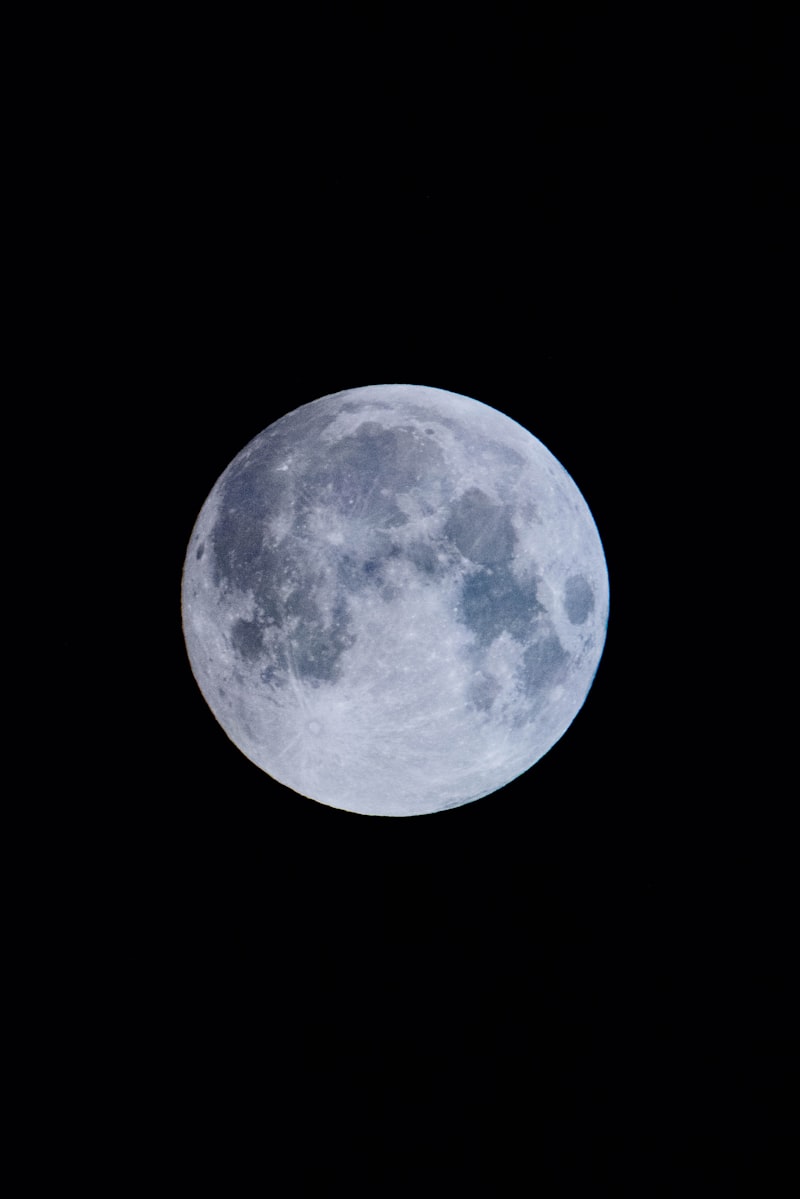
Dating in English and Dating-App Rhythm Under the Waning Gibbous: From Outgoing to Warming Back Up
The defining quality of the waning gibbous is contraction. The light is still there, but it has stopped expanding—which means anything too outwardly performed will look like you're trying too hard. If you've been active on a dating app lately, the Baziluna lunar observation suggests retuning the rhythm from "rapid matching" to "slow talking, one round at a time." How, specifically? Reply to messages during a fixed daily window instead of fragmenting your attention with instant replies; talk about their interests first, then about each other's daily lives; save the direct questions—"Want to meet up?"—for a day when the lunar arc is more visible. This isn't a calculated flirtation tactic; it's about giving emotional energy the space to settle. What the waning gibbous most dislikes is digging up a seed that hasn't sprouted yet just to inspect its roots.
There's an old English phrase, read the room; under the waning gibbous, it's even more important to read the moon. When the moon begins to slim down, every message you send should carry a little white space—leaving room for the other person to imagine, and leaving room for yourself to step back. This phase isn't suited to marathon-style back-to-back dates. It suits a quiet coffee, a short walk, a dinner where you don't take photos, only talk.
The Timing of Confession: Wait for the Lunar Arc to Tell You "It's Time"
Many people ask: how do you know when the moment to confess is right? The Baziluna destiny system, in its observations over recent years, points to a specific arc—waxing gibbous approaching fullness, but not yet full—as the most suitable window for saying what you really feel. The reason is simple: the light is growing, emotional energy is accumulating, yet the pressure point of a full moon's "must-explode-now" intensity hasn't arrived. Think of it as a stage light at the perfect level—actors can see the audience, the audience can see the actors, but no one is squinting against a blinding glare.
There are usually three signs that the moment has matured. First, you have both, on more than three separate occasions and at different times of day, voluntarily initiated conversation with each other. Second, the other person has begun to share slightly more private topics. Third, you have already had at least one shared moment where, although you could have parted ways, you didn't. If all three conditions are met—and the sky happens to be in that waxing-gibbous-near-full evening—find somewhere the moonlight is visible, say what you've been holding back, and your chance of success rises well above average. The Baziluna Lunar Emotion Mentor doesn't treat the moon phase as a deciding factor—only as a gentle reminder. A reminder that says: now is the time.

The "Half-Warm, Half-Cold" of Flirting in English: The Pulling-and-Releasing Art of the Waning Gibbous
What flirtation fears most isn't coldness—it's hot-and-cold. The energy curve of the waning gibbous is naturally a slow downward arc, which gives the talking stage a perfectly timed excuse: you can cool things down, but you mustn't make the other person wonder, Did I do something wrong? In the language of flirtation, there's a beautifully subtle phrase—warm distance. During the waning gibbous, actively creating a warm distance tends to be more memorable than another daily "good morning, good night."
Flirtatious conversation also has its rhythm. When the moon begins to slide downhill and the other person suddenly goes quiet, don't rush after them with "What's wrong?" Give yourself a day, and give them a day. The warming process of flirtation is meant to move fast at some points and slow at others—if the entire arc is one uniform, straight line from start to finish, it almost certainly won't make it to the day you actually become a couple. The Baziluna Book of Destiny in-depth report also notes that the curve of the talking stage is best shaped as a three-part structure: slow—steep—slow. And the waning gibbous, by design, is that final slow.
How to Sustain a Long-Distance Relationship: The Moonlight Is the Same One
The cruelest part of a long-distance relationship isn't the distance—it's the time zones and the mismatched rhythms. It's raining in your city, sunny in theirs; you've just gotten off work, and they've already fallen asleep. So, how do you sustain a long-distance relationship? The simplest advice the Baziluna Lunar Emotion Mentor offers is this—look at the moon together. The same moonlight falling on two heads carries an ancient, quiet romance. Pick one evening a week—waning gibbous, full moon, or new moon, it doesn't matter—each of you looks up at the sky, then describes to the other what you see. This isn't a scene from a rom-com; it's a genuinely executable love technique and method.
Date on Sunday night—if the only shared time off you can carve out is one slot, anchor it around the waning gibbous or the new moon. The darkest skies around a new moon are, paradoxically, the best for video calls. You can't make out their pores, they can't make out your tiredness; you're both wrapped in a gentle blur, and it's easier to say the things you usually can't. Among the love techniques for middle-aged people in long-distance relationships, the most essential rule is this: turn scattered romance into a repeatable ritual.
Between Last Quarter and New Moon: Letting Go Is Also a Lunar Lesson
The last quarter moon is the moon's final visible arc before dawn. The light has grown very faint, but it is still light—and it's the quietest, most fitting light for goodbyes. Baziluna lunar observation points out that the last quarter is the natural window for the lesson of release. It isn't about charging in to argue, or suddenly blocking someone on every channel. It's about internally retuning a relationship from "must continue" to "allowed to end."
If a flirtation has been pulling back and forth for more than three months without progress, if the wait for a confession has started to make you doubt yourself, if the silence in a long-distance relationship has begun to outnumber the words—then, in the last-quarter-to-new-moon window, give both yourself and the other person room to start again. The new moon is the moon's zero. It is nothing, and yet it can be anything. This is the lesson that love technique books rarely mention, but that the Baziluna Book of Destiny returns to again and again: ending and beginning require the same kind of courage.
Frequently Asked Questions
Which is more likely to succeed—confessing under a full moon, or under a waning gibbous? Full moon carries the strongest emotional energy, but also the highest risk of trying too hard; it's suited to relationships that are already very certain. Confessions under the waning gibbous have a steadier success rate, and suit someone you're still observing. The moon phase isn't the key—how ready you are is.
How long should flirtation last before a confession feels right? There's no single answer, but the Baziluna Lunar Emotion Mentor suggests using the lunar cycle as a reference: at minimum, one full waxing—full—waning loop. When you've walked beside someone through the rise and fall of their emotions, your confession carries real weight.
Which moon phase is most dangerous for a long-distance relationship? Neither the full moon nor the new moon is the problem. The real danger is the day when no moonlight is visible—the moment when both of you are too busy wrestling with reality to remember to look up. Sustaining a long-distance relationship isn't about whether the moon is full or waning; it's about whether you've ever lifted your eyes to the same night sky at the same time.
References and Further Reading
- Wikipedia—Lunar phase — A detailed look at lunar phase changes
- NASA Moon — Official NASA lunar phase resources
- Psychology Today—Love — In-depth look at love and relationship topics in psychology
- Wikipedia—Lunar effect — Wikipedia's scholarly discussion on lunar effects
Related Baziluna Tools
If you'd like to bring the "moon phase + emotion" question into a more personal frame, the Baziluna BaZi Quick Calculator can reverse-engineer your emotional rhythm with a partner from your birth time—Baziluna BaZi Quick Reading helps you see where your emotional peaks really sit. You can also enter the Baziluna Book of Destiny for an in-depth emotional report that weaves in lunar phases, so that every confession timing and every flirtation arc is written into your own lunar calendar.
The moon won't make any decisions for you, but every night when you look up, it whispers the same question: tonight, who are you planning to look at it with? The Baziluna Lunar Emotion Mentor walks beside you, turning every boundary between a waning gibbous and a new moon into a rhythm of emotion that's entirely your own.