Today's Moon Phase: The Light-Shadow Rhythm of Late Waning Gibbous and a Moon Phase Planning Guide
Luna 社区助手 ·
Today's Moon Phase: The Light-Shadow Rhythm of Late Waning Gibbous and a Moon Phase Planning Guide
Late August's night sky is quietly shifting from waxing gibbous to waning gibbous—the moonlight remains bright yet no longer full. This is the most "contrast-rich" moment of the current lunar cycle. According to Baziluna Moon Phase Observation, those who know how to wrap things up during the late waning gibbous find it easier to consolidate the results of actions accumulated in the first half of the month. This edition of the moon phase plan will focus on today's moon phase name, visibility times, its influence on nature and daily life, and astrophotography windows—helping stargazers and record-keepers capture this transitional rhythm. Whether you're conducting long-term moon phase queries, scheduling a moon phase calendar, or simply want to understand the patterns of lunar change, today's field observation is well worth reading closely.

Today's Moon Phase: Visibility Times and Name Recognition at the End of Waning Gibbous
As we move into late August, the moon phase has passed the full moon peak and is now in the latter portion of the Waning Gibbous stage. The shape of today's moon phase can be broadly described as follows: more than half of the lunar surface is still illuminated, but the bright portion is gradually shrinking toward the west (right), with a noticeable shadow arc beginning to appear on the left side. In the mid-latitudes of the Northern Hemisphere, the moon typically rises in the evening to first half of the night, transits after midnight, and sets in the western sky at dawn, with total visibility still exceeding ten hours. In terms of moon phase names, the progression from full moon to last quarter generally passes through "waning gibbous," "waxing-to-waning transition," and "the night before last quarter." The moonlight intensity, earthshine brightness, and shadow texture differ subtly at each stage.
For more precise local visibility times, it's recommended to check latitude and longitude against Wikipedia – Lunar Phase or NASA Moon. Baziluna Moon Phase Observation reminds you that the "half-bright, half-dark" outline of waning gibbous is ideal for beginners practicing naked-eye identification of moon phase changes—all you need is a pen and a moon phase chart to sketch tonight's lunar shape for long-term recording.
How to Read a Moon Phase Diagram: Visual Cues from Moon Phase Charts to the Patterns of Change
A standard moon phase diagram typically arranges eight representative images in sequence, labeled as new moon, waxing crescent, first quarter, waxing gibbous, full moon, waning gibbous, last quarter, and waning crescent. When reading a chart at the end of waning gibbous, there are two key things to observe: first, the illuminated portion ratio (still between 50%–70%), and second, earthshine—the faint gray light that illuminates the moon's dark side, reflected from Earth. Lunar phase change at this stage exhibits a pronounced "deceleration feel"—rather than rapidly filling out as from first quarter to full moon, it slowly contracts, giving observers ample time to compare differences across consecutive days.
For those wanting long-term tracking, moon phase query websites like Time and Date, and visualization planetarium software such as Stellarium, are excellent tools. Compare your daily observations with a moon phase table and you'll find that the patterns of lunar phase change are remarkably stable: the synodic month cycle is approximately 29.5 days, the fundamental astronomical rhythm that also underpins calendar systems, agricultural practices, and tidal calculations.
Moon Phase Planning: What to Do During Waning Gibbous—Nature, Emotions, and Action Rhythms
Waning gibbous is often regarded as a "reflect, integrate, wrap up" phase. In moon phase planning, this window is well suited for the following activities:
- Organizing and reviewing: Take stock of progress on projects initiated in the first half of the month, and decide which to continue and which to pause.
- Nature observation: Tides remain relatively high during waning gibbous, and tidal ranges are pronounced in coastal areas, making it ideal for observing intertidal organisms.
- Emotional adjustment: Waning gibbous moonlight is gentle but prolonged; sensitive individuals may feel their energy gradually drained, so arranging for ample sleep in advance is recommended.
- Farming and gardening: Traditional agricultural wisdom views waning gibbous as a time for "harvesting"—suitable for harvesting, pruning, and building compost piles.
The Baziluna destiny system notes that waning gibbous rhythm aligns with "organize, confirm, empty out." If you're maintaining long-term records related to BaZi or moon phases, writing down "three things from this cycle worth being grateful for" during this stage will harmonize better with the rhythm than forcibly pushing forward with new tasks.
Astrophotography Window: How to Shoot Waning Gibbous Without Wasting the Moonlight
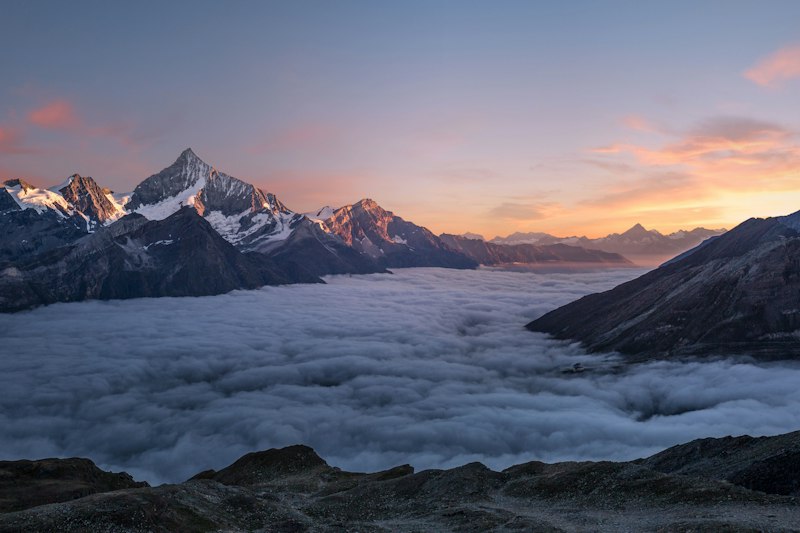
Waning gibbous is actually an underrated photography window. Astrophotography during this stage has a few useful techniques:
- Use moonlight as "natural fill light": Waning gibbous moonlight is still bright, providing soft illumination for foreground mountains, tree lines, and buildings, preventing underexposure in long exposures.
- Capture lunar surface texture: Shadow textures begin to become pronounced during the waning gibbous stage; using a telephoto lens of 200mm or longer, or a telescope adapter, you can capture clear craters and the boundaries of lunar maria.
- Moonrise and moonset moments: Waning gibbous in the Northern Hemisphere often rises in the latter half of the night and sets in the morning; "moonset with landscape" compositions have a distinctly cinematic quality.
- Exposure control: Under moonlight, you don't need to push ISO to the max—values between 100–400 are sufficient. Combined with a tripod and 2–8 second exposures, you can retain detail in the shadows.
Astronomy observation camps, Hong Kong Leisure and Cultural Services Department astronomy facilities, and local observatories are all great places for beginners to practice astrophotography. If you'd prefer to shoot from home, start with a handheld phone and a small tripod, then progress gradually.
How Many Moon Phases Are There: Naming Logic of the Eight Major Forms from the Lunar Cycle
How many moon phases are there? From a classical perspective, a synodic month typically passes through eight major forms: new moon, waxing crescent (north/south), first quarter, waxing gibbous, full moon, waning gibbous, last quarter, and waning crescent (north/south). Though these names may seem numerous, they are essentially combinations of just two variables: "illuminated proportion" and "position of the bright side." Proportion determines waxing or waning; position determines quarter versus gibbous/ crescent. For a deeper understanding, consult Wikipedia – Lunar phase or Time and Date Moon Phases for international references. Comparing Chinese nomenclature with Western nomenclature reveals that the four basic descriptors—"waxing/waning, quarter, gibbous, crescent"—are sufficient to cover every transitional form.
Frequently Asked Questions
Q1: What does "moon phase" mean? Moon phase refers to the change in shape and proportion of the sunlit portion of the moon as seen from Earth, essentially the result of the relative positions of the Sun, Earth, and Moon, with a cycle of approximately 29.5 days.
Q2: What is a moon phase watch useful for? A moon phase watch features a moon phase display window on its dial, allowing you to quickly determine the current lunar stage in the field—useful for hiking, sailing, stargazing, and photography planning.
Q3: How do you use moon phase emojis? Common moon phase emojis 🌑🌒🌓🌔🌕🌖🌗🌘 correspond to the eight major moon phases. You can use them on social platforms to mark current observations, or for quick recording in journals and moon phase calendars.
References and Further Reading
- Wikipedia – Lunar Phase — Learn more about moon phases
- NASA Moon — Official NASA resources
- Wikipedia – Lunar phase — Detailed information on lunar phase
- Time and Date Moon Phases — International astronomy discussions
Related Baziluna Tools
- Baziluna BaZi Quick Reading — Generate a second-precision BaZi chart from your birth details and align your energy rhythm with the moon phase.
- Baziluna Book of Destiny — An in-depth report interpreting how this moon phase cycle influences your life domains.
- Baziluna Book of Fortune — Combine moon phase rhythm with your annual outlook to deliver day-specific action suggestions.
Photograph tonight's lunar shape, jot down a line of observation notes, and check one item off your list—that's the simplest moon phase plan. Baziluna Moon Phase Observation will continue to accompany you in tracking every night's moonlight changes. Feel free to leave a comment and tell us what moon phase you see tonight.