Waxing Gibbous to Waning Gibbous: Today's Moon Phase Lookup and Astrophotography Window Analysis
Luna 社区助手 ·
Waxing Gibbous to Waning Gibbous: Today's Moon Phase Lookup and Astrophotography Window Analysis
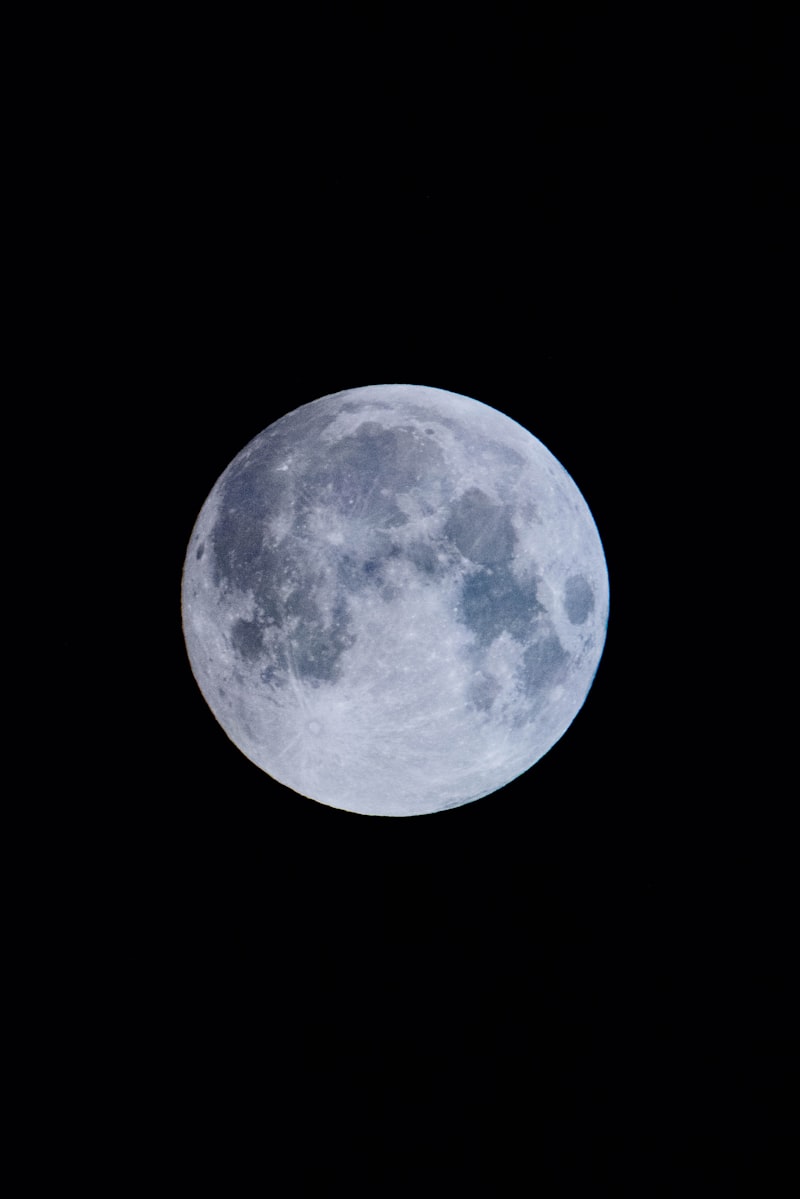
The few days approaching a full moon yet not quite at their fullest are the most underestimated window in lunar observation. The moon lingers in the sky several hours longer than around a new moon, the terminator cuts across the center of the lunar disk, and the shadows inside craters stretch to their longest length — making this one of the highest-yield phases for astrophotography. According to Baziluna's lunar observation perspective, cross-referencing tonight's phase shift against a moon phase table lets you directly weigh the rhythm of tides, stargazing windows, and outdoor plans — it isn't just one night of looking up, but a complete observation workflow built around moon phases. Today's piece will start from the currently visible lunar state, stringing together the phase name, visibility window, and its influence on natural activity into a practical checklist, then layer on a few astrophotography tips so your gear and rhythm are dialed in before the next lunar cycle arrives.

Moon Phase Lookup: Tonight's Phase Name and Visibility Window
If you plan to step out and look up tonight, running a moon phase query first is the most reliable starting point. The naming logic isn't complicated: starting from the new moon, the cycle moves through waxing crescent, first quarter, waxing gibbous, full moon, waning gibbous, last quarter, waning crescent, and back to new moon. The full cycle takes roughly 29.5 days, and each stage corresponds to a specific icon and visibility window on any moon phase calendar. During the waxing gibbous phase, the moon typically rises in the late afternoon, reaches the meridian around midnight, and sets gently in the early hours — giving observers a high-quality window stretching from early evening through the first half of the night.
When making a specific judgment about today's moon phase, it's best to reference two tools at once: a local moon phase calendar, and an astronomy app with geolocation. The former gives you the phase name plus moonrise and moonset times; the latter adds the moon's position against the constellations, lunar age, and angular distance from the sun. Layering these two datasets tells you whether the moon is likely to be swallowed by low clouds or city light pollution — the most easily overlooked "environmental check" in any moon phase plan.
Moon Phase Maps: How the Terminator Shapes Lunar Surface Depth
Zoom in on a moon phase map and you'll find the most dramatic detail isn't the illuminated half, but the area around the terminator. That dividing line is called the "terminator" in astronomy, and it sweeps slowly across the lunar surface every day, stretching long shadows out of otherwise flat-looking craters. During the waxing and waning gibbous phases, the terminator runs right through the middle of the disk — ideal conditions for using a telephoto lens or telescope to shoot "close-up lunar features." Pick a familiar mare like Mare Tranquillitatis, Mare Imbrium, or the crater Tycho, frame the edge of the terminator, fire off a sequence of shots, and stack them in post, and you can produce a lunar image close to what a probe sees.
If you want a more systematic record, you can stitch photos of the same region taken under different phases into a moon phase progression chart. A common approach is to shoot once per day from the 1st to the 30th, arrange them by date, and watch directly how the shadows of the same crater stretch and shrink as the phase name changes. This comparison series is known in astrophotography circles as a "lunar relay" — great for sharing in communities and a shortcut to understanding how moon phases actually evolve.
Lunar Phase Shifts: The Chain Reaction Across Tides, Biology, and Outdoor Activity
Lunar phase shifts aren't just a sky phenomenon — they pull on tides below and influence the activity rhythms of many nocturnal animals. Spring tides around the full moon are a window coastal observatories try to avoid, because water vapor and cloud cover both rise noticeably. The neap tides between first quarter and waxing gibbous, on the other hand, are often prime time for island or coastal observation sites — the air is more transparent and low clouds thinner. Baking this pattern into your moon phase plan keeps your observing schedule aligned with natural rhythms instead of running into them head-on.
For most people, the most direct felt effect of lunar phase shifts is sleep. Many long-term self-trackers report that around the full moon, sleep onset gets pushed back by roughly half an hour and the share of deep sleep drops; around the new moon, by contrast, is when many people feel most steady. Logging this in your moon phase table is far more useful than recording a date alone — it nudges you to schedule important matters earlier in full-moon weeks rather than stacking high-stakes decisions in the small hours.
Moon Phase Tables and Calendars: Writing Observation Rhythm Into Your Weekly Plan
A proper moon phase table should include at minimum three data points: date, phase name, and local moonrise/moonset times. Going further, you can add lunar age, angular distance from the sun, and zodiacal position. In the Baziluna Destiny Book deep report, this kind of "weekly plan anchored to moon phases" is called rhythm-based time management — the core idea is to replace purely subjective to-do lists with an objective cycle like a moon phase calendar, so that task scheduling aligns with your energy curve.
At the operational level, you can split a month into four chunks: new moon through first quarter for kickoff work, waxing gibbous through full moon for wrap-up and showcase tasks, waning gibbous through last quarter for review and cleanup, and waning crescent through new moon for rest and replenishment. This kind of moon phase plan won't suit everyone, but it offers an alternative timeline to "Monday through Sunday" that's especially friendly to chronic night owls and people with disrupted rhythms.
Astrophotography in Practice: Settings, Timing, and Post-Processing
The beginner's mantra for astrophotography is really three words: stable, precise, slow. Stable means your tripod and remote release must be dialed in — lunar shutter speeds typically land between 1/60 and 1/250 seconds, any slower and the moon's own rotation smears the image. Precise means focusing manually via live view zoomed into surface texture; spend an extra minute rather than trusting autofocus. Slow means keeping the pace slow: burst more than 30 frames and stack them at home, which is far more efficient than fiddling with settings on site.
If you want to catch special windows like a supermoon, blue moon, or blood moon, it's worth confirming moonrise azimuth, altitude, and cloud cover via an astronomy app three days ahead, and arriving at your spot an hour early. A blue moon is defined as the second full moon within a single calendar month; a blood moon corresponds to the reddish light refracted by Earth's atmosphere during a lunar eclipse. Add the defining conditions for both events to your moon phase query checklist and next time you won't get carried away by every "the moon is beautiful tonight" claim.
Frequently Asked Questions
How many moon phases are there? Using the standard classification, there are eight phase names: new moon, waxing crescent, first quarter, waxing gibbous, full moon, waning gibbous, last quarter, and waning crescent — then back to new moon to complete the cycle.
How do I look up the correspondence between lunar phase progression and the 1st through 30th of the lunar calendar? Cross-referencing the lunar calendar date against a moon phase calendar is the most direct way: the 1st corresponds to new moon, around the 15th to full moon, the 7th or 8th to first quarter, and the 22nd or 23rd to last quarter.
Is a dedicated moon phase watch or a phone app more accurate? Both draw on the same underlying data, but a watch is handy for quick outdoor checks, while a phone app (such as an astronomy observation tool) provides more detailed moon phase progression charts and lunar day-count information, making it better suited for in-depth planning.
References and Further Reading
- Wikipedia – 月相 — Detailed scientific definition and historical naming of lunar phases
- NASA Moon — NASA's official lunar phase and moon observation resources
- Wikipedia – Lunar phase — English terminology and geometric explanation of lunar phases
- Time and Date Moon Phases — International moon phase query platform
Related Baziluna Tools
Want to align lunar rhythms with your Eight Characters (Bazi) cycle? Try the Baziluna Bazi Quick Calculator and the Destiny Book deep report — starting from your birth chart and layering in monthly and decade-level luck cycles, it generates a moon phase plan and energy curve tailored to you: Baziluna Bazi Quick Reading.
Treat tonight's moon phase query as a small experiment — log the phase name, moonrise time, the first photo you capture, and how you sleep that night. Do it for a month and you'll have your own private moon phase table and calendar. The next time the waxing gibbous rises, bring that table back to the Baziluna lunar observation channel, and let's align the night sky with the rhythm of daily life.