Moon Phase True Love Code: Relationship Repair Techniques During the Waning Moon Shadow Period and Moonlight Energy for Sunday Night Dates
Luna 社区助手 ·
Moon Phase True Love Code: Relationship Repair Techniques During the Waning Moon Shadow Period and Moonlight Energy for Sunday Night Dates
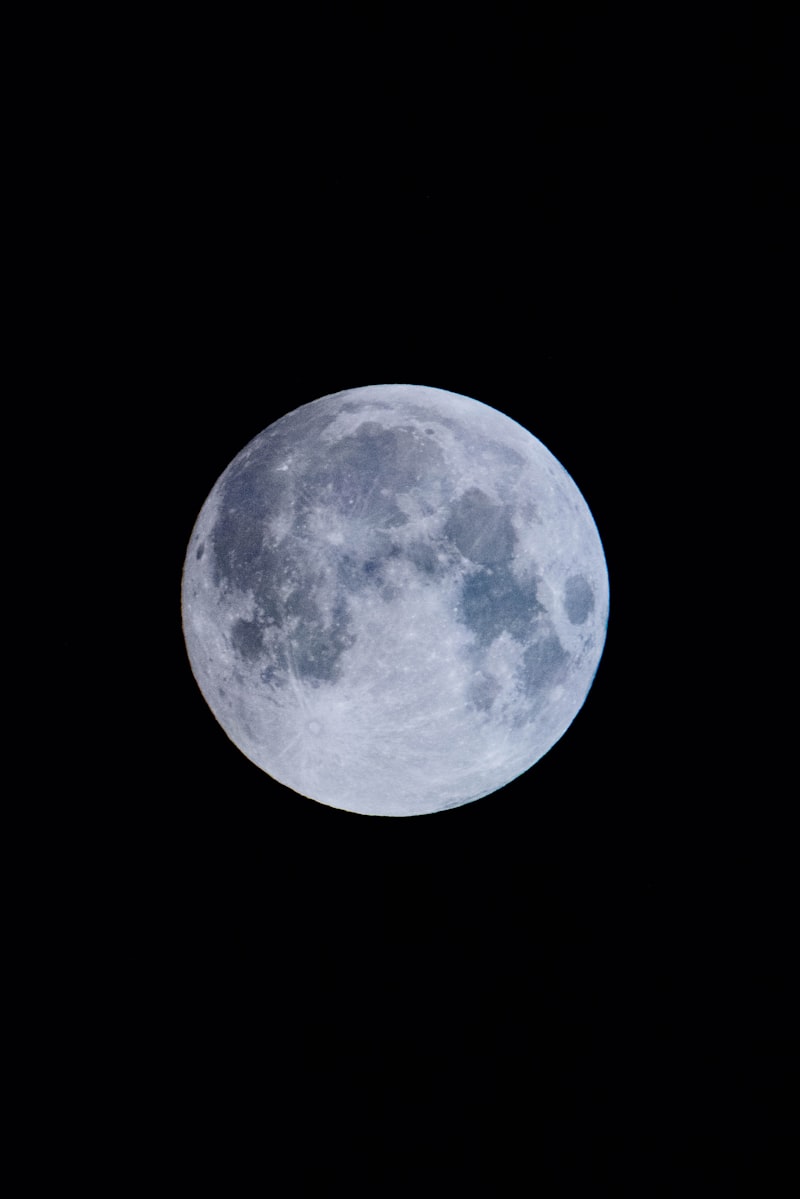
As September's night sky transitions from waning gibbous to the last quarter, the moonlight gradually narrows and emotions quietly grow more sensitive. During this phase, many people notice: a usually even-tempered partner suddenly becomes suspicious, a relationship that had warmed up cools down again, and even when you want to reach out, the words get swallowed before they leave your lips. This is not an illusion—it's the moon phase true love energy field quietly rewriting your emotional bandwidth. According to Baziluna's moon phase relationship mentors, the waning moon shadow period is not a low point for love, but a precious "repair window"—it asks you to tuck the moonlight inward, see the texture of your relationship clearly, and mend the tiny cracks that the full moon's peak had concealed. If you've recently been stuck in a cold war, caught in ambiguous push-and-pull, or unsure how to speak up, please read this article as your moonlight manual. Every suggestion below is built on common knowledge of moon phase energy and traditional relationship psychology—there are no fabricated survey data, only actionable steps.
Why Does Sunday Night Date Frequency Get Amplified by Moon Phases? How to Adjust Your Conversation Rhythm on Dating Apps?
Many people notice on dating apps that response times slow down on weekend nights and conversations suddenly become shallower. This is closely tied to moon phase energy and modern social fatigue. During the waning moon phase, people naturally draw their energy inward, and their willingness to communicate outwardly drops—especially emotional exploration with strangers requires a foundation of safety. If you're chatting with someone you like on a dating app, Baziluna's moon phase observation suggests: switch from "high-density bombardment conversation" to "low-density high-quality conversation"—go deep on one topic at a time, and leave breathing room for the other person to absorb and reflect. This is actually the rhythm most aligned with waning moon energy.
Sunday night is when many people feel most anxious—Monday is coming, the relationship has no clear answer, and the ambiguity is exhausting. For a Sunday night date, rather than deliberately staging a dramatic scene, choose a quiet indoor setting where moonlight can filter in, letting the waning moon's introspective energy set the tone for your conversation. The moon phase tells us: the waning moon doesn't push you to act, it pushes you to be real.
How to Time a Confession? Is the Waning Moon Phase Better for a "Light Confession" or a "Heavy Confirmation"?
Timing a confession has always been the most frequently asked question in relationship consultations, and the moon phase provides a very clear decision framework. During the waxing gibbous to full moon phase—when energy flows outward—people are more likely to make impulsive expressions and "heavy commitments," but also more likely to regret them afterward due to emotional overload. In the waning moon phase, the energy of impulsive expression is naturally pulled back, making it more suitable for a "light confession"—not a dramatic declaration, but a deep state confirmation: this is how I feel about you right now, and I want you to know.
Baziluna's destiny system observes that the core of confession timing during the waning moon shadow period lies in "whether you still want to reach out to the other person even in a low-energy state." If the answer is yes, that feeling will most likely withstand the next month's tides. The best moment to confess isn't when the moon is fullest, but when the moonlight is faintest and your heart is most steady. The confession language that suits the waning moon phase also leans toward "stating feelings" rather than "demanding answers." For example, "I've been thinking about the rhythm between us these past few days" is far gentler—and far more aligned with the waning moon's inward quality—than "Do you actually like me or not?"
At What Point Should You Stop the Ambiguous Push-and-Pull? Moon Phase Safety Boundaries in Ambiguous Relationships
Ambiguity is one of the most frequently mentioned keywords on the moon phase true love channel—many people can't find a word in the English dictionary to describe that "want to say it but don't dare" feeling. The reason ambiguous push-and-pull is so addictive comes down to the "approachability" of moonlight—the moon's shifting brightness and darkness makes the other person feel near one moment and far away the next, impossible to pin down. During the waning moon phase, this push-and-pull most often reaches an extreme: one person suddenly retreats, or both sides fall into a cold war.
The key to handling an ambiguous relationship is drawing a safety boundary for the moonlight. Baziluna's BaZi reading approach borrows this idea into moon phase work: everyone has their own "tolerable low-energy window." When the other person is absent two or three times in a row when you need a response, that's not ambiguity—that's depletion. The "endure and sweetness will return" trope from those short ambiguous romance dramas isn't common in real emotional life—the waning moon's energy calls for subtraction, not more testing.
If your ambiguity has already lasted more than a month and the other person has made no move to draw closer during the waning moon shadow period, then this stretch of moon phase true love energy may not be an opportunity for you, but a signal that requires honest reckoning.

How Do Long-Distance Couples Maintain Warmth During the Waning Moon Phase? Moonlight Endurance Methods in Relationship Tips
Long-distance couples commonly report that the waning moon phase is the hardest to endure—not because the distance has grown, but because the waning moon's inward-pulling energy makes it easier to fall into overthinking: "Does he/she not love me anymore?" "Why is he/she responding so slowly today?" A line often emphasized in Korean relationship variety shows: "Long-distance love doesn't compete on romantic peaks—it competes on the median of boredom." This line fits especially well in the moon phase true love context.
There are three practical moonlight endurance methods for long-distance relationships during the waning moon phase: First, break high-density video calls into low-density voice fragments, letting your partner hear your voice anytime without the pressure of "performing well on camera." Second, agree on a shared "moonlight ritual"—for example, pick one evening each week to open the same song or watch the same short video at the same time, letting moonlight become your shared time anchor. Third, during the lowest-energy days of the moon phase, proactively send the other person a message like "I've been missing you a bit today, but you don't need to respond right away." This kind of no-strings-attached romance is, in fact, the scarcest emotional oxygen during the waning moon shadow period.
Comprehensive relationship tip collections will tell you to "keep things fresh," but Baziluna's destiny system leans more toward reminding you: during the waning moon, freshness is a luxury—stability is the necessity.
Rekindling After a Breakup and Breaking a Cold War: How to Choose the Timing for Getting Back Together Under the Waning Moon Shadow
Rekindling after a breakup is always one of the most-searched relationship topics, and moon phase true love gives a very practical answer to this question: in the final days of the waning moon, two to three days before the new moon, the window for reconciliation energy is at its peak. The reason is simple: the new moon's symbolism of "starting over" stacks with the waning moon's "letting go of attachment" emotion, creating a psychological elasticity that feels both relieved and willing to try again.
The key to breaking a cold war isn't the wording—it's whether you're willing to first admit "I was wrong too." Waning moon energy supports a low-posture, high-sincerity approach to breaking the ice—a cup of coffee the other person likes, or a sentence like "I didn't catch what you said last time," is more effective than any carefully crafted long speech. Once the reconciliation window past the new moon is missed, you'll have to wait for the next complete moon phase cycle. So if you've been wavering in your heart for several weeks already, the tail end of the waning moon is the window you can no longer put off.
In Baziluna's Destiny Book deep report system, these time windows are called "relationship repair days." They sync closely with the moon phase and serve as a very practical reference framework for modern people making emotional decisions.
Self-Repair During the Moon Shadow Period: Why the Best State After a Breakup Is "Stabilize Yourself First"
The most easily overlooked part of post-breakup recovery isn't "how to get him back"—it's "how to stop yourself from going back and forth." The energy of the waning moon shadow period amplifies loneliness, making you scroll through your ex's social media updates at 3 a.m. under the moonlight, feeling worse with every look.
Baziluna's BaZi Quick Calculator can help you quickly see your own emotional bandwidth under different moon phases, reminding you which windows are suited for socializing and which require solitude. When you clearly understand your current emotional capacity, you won't make decisions you'll regret during the waning moon's most sensitive days—such as sending that "we should just forget it" message, or agreeing to something you actually don't want to.
Moon phase true love isn't about teaching you how to win someone back—it's about teaching you how to keep your own rhythm as the moonlight changes. A new week is about to begin. No matter which stage of a relationship you're in, feel free to bookmark this article and keep it as your moonlight calendar.
Frequently Asked Questions
Q1: Is the waning moon phase really unsuitable for confessions? A: The waning moon is not suited for "heavy commitment" confessions, but it is very well suited for "state confirmation" light confessions. The core is expressing your own feelings rather than demanding an answer from the other person.
Q2: What should long-distance couples be most wary of during the moon phase shadow period? A: Be wary of misreading emotional fluctuations as relationship problems. Waning moon energy amplifies overthinking. It's recommended to first stabilize yourself using the "low-density communication" technique from relationship tips before judging the relationship.
Q3: When is the best moon phase window for rekindling after a breakup? A: From the tail end of the waning moon to the two or three days before the new moon is the recognized peak window for reconciliation energy. Miss it, and you'll have to wait for the next complete moon phase cycle.
References and Further Reading
- Learn more about basic moon phase concepts — Chinese Wikipedia
- NASA official lunar observation resources — NASA Official
- Learn more about research on lunar effects on human behavior — English Wikipedia
- Psychology Today related discussion — Authoritative psychology platform
Baziluna Related Tools
- Use Baziluna BaZi Quick Calculator to see your current emotional bandwidth under the moon phase
- Read in depth with the Baziluna Destiny Book Deep Report to grasp this month's relationship repair window
- Check the Baziluna Fortune Book to understand this week's moon phase and your relationship direction
The moonlight is always changing, but your feelings are real. Whether you're hesitating tonight over a message you don't know whether to send, words you don't know whether to say, or a relationship you don't know whether to give one more chance—feel free to share your moon phase story in the comments. Baziluna will walk with you and turn the waning moon shadow into a moon phase true love repair period.