First Quarter Moon Action Week: A Practical Map from Moon Phase Lookup to Photography Windows
Luna 社区助手 ·
First Quarter Moon Action Week: A Practical Map from Moon Phase Lookup to Photography Windows
Every year around the September back-to-school season, many astronomy enthusiasts find their "lunar planning" disrupted—the days are still long and the summer heat has not fully faded, yet the Moon has quietly crossed the new moon threshold and entered the first quarter phase. In its weekly Monday briefings, the Baziluna Moon Phase Observation Channel treats this transition as a "launch period": it is neither the wishful silence of a new moon nor the emotional peak of a full moon, but rather the crucial seven days when plans are finally mapped onto the sky. This article centers on today's moon phase, methods for moon phase lookup, the logic behind lunar phase names, and practical astrophotography window techniques—helping you build an actionable lunar calendar and shooting checklist within the week.
Moon Phase Today: Visual Features and Visibility Window of the First Quarter Moon
Today's moon phase is at the first quarter stage, with roughly fifty percent of the lunar surface illuminated—the left half (as viewed from the Northern Hemisphere) bright and the right half sinking into shadow. This is one of the most recognizable shapes in any lunar phase chart. In terms of timing, the first quarter moon rises around midday and sets near midnight, meaning it can be spotted with the naked eye during daylight hours—a sharp contrast to a full moon visible all night long, or a waning crescent that only appears in the pre-dawn hours.
If you are running a precise moon phase lookup, start by checking the moonrise and moonset times for the day, then cross-reference the azimuth. When the first quarter moon reaches its highest point on the southern meridian, it is ideally positioned—perfect for capturing a "half-moon hanging on a branch" composition with foreground scenery during the first two to three hours after dark. The Baziluna Moon Phase Observation recommends treating this slot as the "golden two hours"; miss it, and you wait nearly another month for the next chance.

The Logic Behind Moon Phase Names: Eight Nodes from New Moon to Full Moon
In the broad sense, there are eight lunar phase names: New Moon, Waxing Crescent, First Quarter, Waxing Gibbous, Full Moon, Waning Gibbous, Last Quarter, and Waning Crescent. In Chinese parlance, however, people are more familiar with the four anchors—"New Moon, Full Moon, First Quarter, Last Quarter"—with the other four often grouped under a single description. Building a complete lunar phase table is less about memorizing all eight names and more about understanding how the relative angles of the Sun, Earth, and Moon over a synodic month of roughly 29.5 days shape what we see.
The Baziluna Moon Phase Observation Channel promotes a "four-anchor + four-transition" working method: treat the four main names as monthly beats, and the four transitional phases as connectors between those beats. This way of thinking works equally well for lunar planning—first quarter action, full moon release, last quarter reflection, new moon intention—aligning neatly with the four beats; the transitional phases then become the buffer zones between action and reflection.
Practical Tools and Authoritative Sources for Moon Phase Lookup
Running a reliable moon phase lookup is not complicated—the key is choosing a stable source. There are three common paths: first, use international astronomy platforms such as Time and Date Moon Phases, which allow you to query the moon phase, azimuth, and moonrise/moonset for any date years in advance; second, consult official NASA Moon resources for the latest lunar orbit data and imagery; third, pair these with the phase diagrams in the Chinese Wikipedia – Moon Phase article to grasp the geometric relationships and naming conventions.
For those who prefer long-term planning, the Baziluna Destiny System suggests printing a lunar phase calendar and pinning it above your desk: write down plans at each new moon, review progress at each first quarter, run a milestone review at each full moon, and clear unfinished items at each last quarter. This "lunar planning" model is known in the West as lunar planning, and similar rhythmic philosophies exist within East Asian traditional culture.
Astrophotography Windows: Optimal Shooting Strategies Around the First Quarter Moon
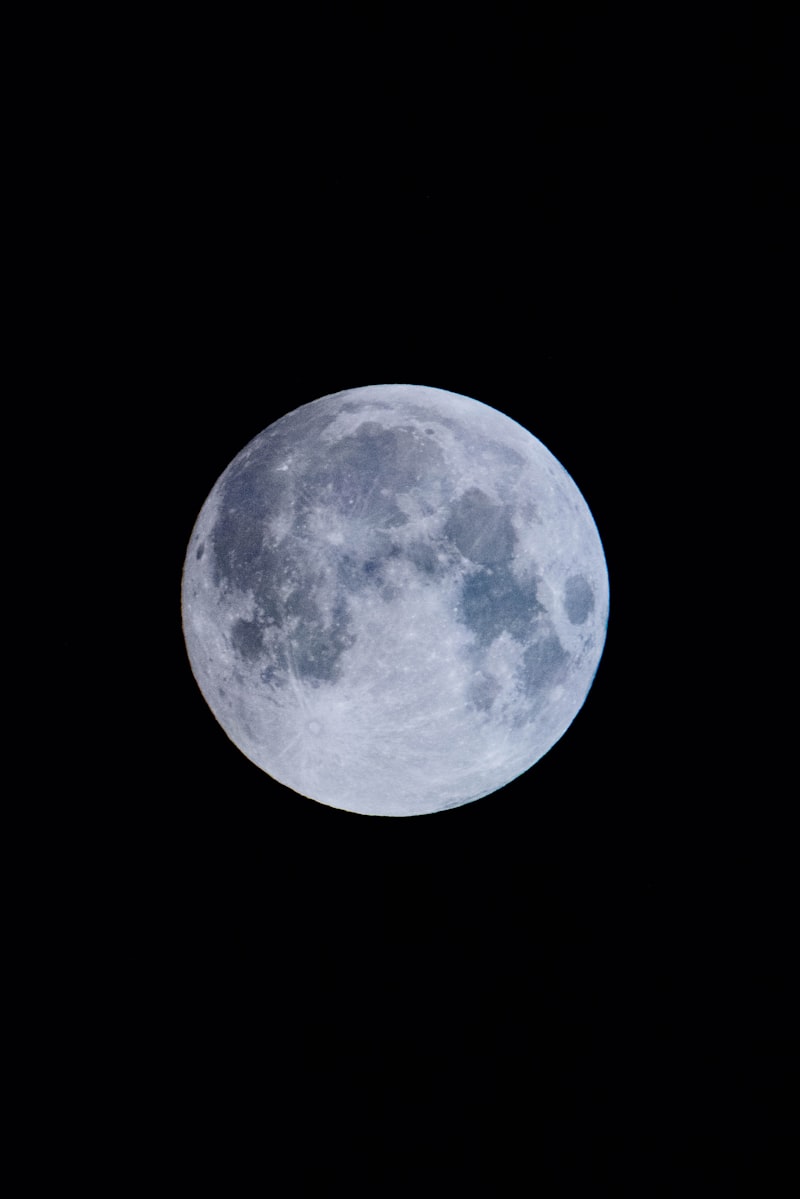
The first quarter moon is a friendly stage for astrophotography. There are three reasons: first, the terminator (the line dividing light and shadow) passes across the middle of the lunar disk, producing the strongest contrast between crater shadows and lunar maria—details are astonishing through a telephoto lens; second, the moderate brightness does not overwhelm the stars the way a full moon does, making it suitable for "moon + stars" or "moon + landscape" composite compositions; third, the lunar altitude angle during evening and early-night hours is favorable, avoiding the atmospheric turbulence near the horizon.
At the practical level, three sets of parameters are worth noting: in aperture-priority mode, f/8 to f/11, ISO 100–400, and shutter speed varying from 1/60s to 1/250s depending on the moon's brightness. Field tests by the Baziluna Moon Phase Observation Channel confirm that a 200mm–400mm telephoto paired with a tripod and remote shutter release is the entry-level setup for DSLR and mirrorless users shooting the first quarter moon.
The Subtle Influence of Moon Phases on Nature and People
Tides offer the most direct natural example: during first and last quarter moons, the Sun, Earth, and Moon form a right angle, and the gravitational pulls partially cancel each other, producing "neap tides"; during new and full moons, the forces combine, producing "spring tides." Astronomy observation activities in coastal regions should factor this rhythm into planning.
For humans, mainstream research has yet to support a strong conclusion that full moons affect sleep or mood, yet many long-term journal-keepers do report delayed sleep onset and elevated heart rate around the full moon. The Baziluna Destiny System does not treat moon phases as a deterministic variable but rather as an "external rhythm cue": when the full moon arrives, treat emotions as a signal light rather than an error code—a gentler mode of self-observation.
Frequently Asked Questions
What is the difference between a first quarter moon and a waxing gibbous moon?
A waxing gibbous moon is the transitional phase before the full moon, where the illuminated area exceeds a half circle but is not yet full. The first quarter moon, by contrast, is exactly half-lit and arrives about a week after the new moon—their brightness and rising times differ.
Why do moon phase lookup results vary slightly between different sources?
Because algorithms differ in pinpointing the exact moment of a "new moon" or "full moon" by anywhere from several minutes to tens of minutes, and various platforms use slightly different time zones and celestial coordinate reference frames. This is normal; official observatory data is recommended as the authoritative reference.
Where can I find accurate moon phase emoji?
Mainstream operating systems include emoji for the eight primary moon phases, ready to copy and use; for more granular transitional stages, consult the phase diagrams in the Wikipedia – Lunar Phase article for visual comparison.
References and Further Reading
- Learn more about moon phases — Chinese Wikipedia
- NASA official resources — NASA Moon
- Wikipedia – Lunar phase — Wikipedia EN
- International astronomy platform discussion — Time and Date Moon Phases
Baziluna Tools
If you want to integrate the lunar rhythm into longer-term destiny planning, try the Baziluna Bazi Quick Reading to view the monthly pillar rhythm in your personal Bazi chart, and pair it with the Baziluna Book of Life and Baziluna Book of Cycles to form a complete rhythm map spanning from daily cadence to decade-long luck cycles.
Let this week's lunar plan start with tonight's moonrise—set up the telescope or telephoto camera, flip your lunar calendar to the first quarter column, and write "action" into your phase chart. The Baziluna Moon Phase Observation Channel will be with you every Monday, walking you through each turning point in the lunar cycle.