Soft Glow Under the Waning Gibbous Moon: Today's Lunar Phase, Natural Rhythms & Astrophotography Guide
Luna 社区助手 ·
Soft Glow Under the Waning Gibbous Moon: Today's Lunar Phase, Natural Rhythms & Astrophotography Guide
The night sky on September 14, 2026 belongs to the Waning Gibbous. The moon drifts westward from last night's full state, its silver-white disk still illuminating most of the sky, but the illuminated portion is shrinking day by day. Baziluna's lunar observers have noticed that stargazers often feel a subtle sense of "loss" during this phase — assuming the full moon has passed and moonlight is no longer worth chasing. In reality, the waning gibbous phase (the 7 days between the full moon and the last quarter) is the golden window for astrophotography. The terminator line is expanding, and the side-lit moon amplifies the three-dimensional texture of mountains and craters, revealing far more compelling detail than the "perfect disk" of a full moon. For casual observers wondering "what time does the moon rise tonight?" — moonrise occurs around 6 PM, it reaches its highest point around midnight, and sets in the west between 3 and 4 AM. City balconies, open fields, and seaside boardwalks all offer easy vantage points. This article walks you through the complete logic of observing the waning gibbous, covering today's lunar phase status, natural rhythms, human activity, and astrophotography tips.
1. The True Rhythm of Lunar Phase Change: 7 Days from Full Moon to Last Quarter
The moon orbits Earth approximately every 29.5 days, so lunar phase changes cycle through this period. Today's waning gibbous sits between the full moon and the last quarter, with the illuminated portion gradually declining from 100% to around 50%. During this phase, moonrise occurs about 50 minutes later each night, so if you look up at a fixed time, you'll notice the moon's position shifts further east and further south each day. This "lunar calendar" displacement is the foundation of ancient calendars such as the Chinese lunar calendar and the Islamic calendar. Following September 14, the next major milestone is the last quarter on September 21, when the moon will rise at midnight and set at noon — the complete inverse of the full moon rhythm. To quickly check the lunar phase for any given day, use the calendar module built into the Baziluna Bazi Quick Reading tool, which synchronizes the day's phase name, rise and set times, and a phase emoji icon.

2. Natural and Human Rhythms: The Subtle Influence After the Full Moon
Many long-term observers notice that sleep quality drops and emotional fluctuation intensifies in the days around a full moon. This "lunar effect" — the folkloric notion of the moon's influence on daily life — is well documented. According to Baziluna Bazi interpretation, as the moon transitions from full to waning gibbous, the energetic field shifts from "release" to "settling," making it an ideal time to process the emotions that surfaced during the full moon. Coastal fishermen schedule their work around lunar tides: tidal range peaks (spring tides) during the full and new moons, then gradually decreases through the waning gibbous. Fishermen tend to use these neap-tide windows to repair nets and organize gear. Gardeners follow the same rhythm — root crops are best harvested around the full moon, while the waning gibbous is ideal for pruning branches and composting. Although the moon is distant, its gravity and light quietly shape the tides below our feet, the sky above our heads, and even melatonin production within our bodies.
3. Astrophotography Tips: Composing the Waning Gibbous
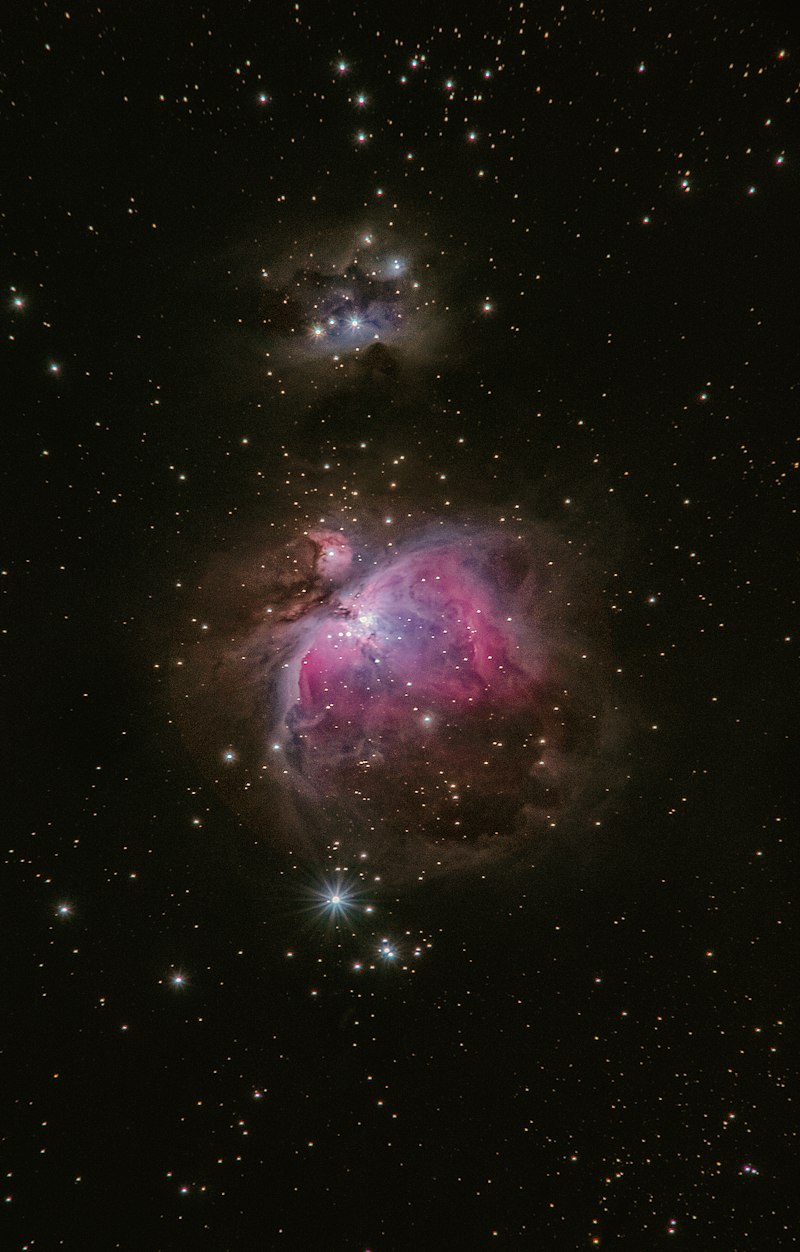
Compared with the "white disk" of a full moon, the waning gibbous is far better suited to astrophotographic creation. Three key parameters matter: First, exposure. The full moon reflects intense sunlight and calls for ISO 100–200 at 1/125s; as waning gibbous moonlight weakens, try ISO 400 at 1/60s to bring out detail in the shadow regions. Second, composition. Use a lunar phase diagram to plan the moon's azimuth in advance, pairing it with landscape silhouettes (mountains, spires, bare branches) for a "sun-and-moon radiance" frame. From the 17th to the 22nd day of the lunar month, the moon sits low in the southeast evening sky and pairs beautifully with urban skylines. Third, gear. A 200mm-or-longer telephoto lens is the entry threshold, paired with an equatorial mount for lunar surface detail; handheld phone shooters can use Moon Mode (🌖) with a tripod for stability. Aim to shoot within 30 minutes of moonrise — atmospheric scattering gives the moonlight a subtle warm tone with a more pleasing color temperature.
4. Preparing for the New Moon Wish: Energy Settling and Plan Review
The waning gibbous is the "preparation phase" before the new moon wish. Baziluna's Book of Destiny in-depth report defines this week as a "reflection period": the emotions and events released during the full moon have now manifested, making this the optimal time to organize and review. Once the moon rises tonight, find a quiet corner and write down 3 wins and 3 regrets from the past week. Before the last quarter (September 21), complete a "letting-go ritual" — discard items, letters, and thoughts you no longer need to clear space for the new moon around September 22. Wishes made on the new moon carry the purest energy, and the more thorough your preparation, the more focused your intention. This logic echoes the "Monthly Pillar" concept in Bazi metaphysics — the monthly pillar represents the external environment and emotional cycle. Aligning with the lunar rhythm is syncing with the cosmic clock. To explore the resonance between your personal Bazi and lunar cycles in depth, see the Monthly Pillar module in the Baziluna Book of Destiny.
5. FAQ
Q1: Where can I find the most accurate lunar phase lookup today? We recommend the Time and Date Moon Phases international astronomy site, or NASA's official Moon page — both update daily and cover global time zones.
Q2: Is a moon phase watch worth buying? A moon phase watch is a practical tool for astronomy enthusiasts and sailors, displaying the current phase and tides in real time. For everyday users, the moon phase emoji on a smartphone is a perfectly adequate substitute.
Q3: Is the waning gibbous good for stargazing? Waning gibbous moonlight is still strong and interferes with deep-sky imaging, but it's an excellent window for lunar surface photography and planetary conjunction observations (such as Jupiter and Saturn). After the last quarter, moonlight fades and conditions become ideal for Milky Way photography.
References & Further Reading
- Lunar Phase Principles — Detailed Overview — Chinese Wikipedia
- NASA Moon Official Resources — NASA Official
- Wikipedia — Lunar phase — English Wikipedia
- Time and Date Moon Phase Lookup — International Astronomy Platform
Baziluna Related Tools
- Baziluna Bazi Quick Reading — Syncs daily calendar with lunar phase emoji
- Baziluna Book of Destiny In-Depth Report — Includes Monthly Pillar analysis and New Moon wish module
- Baziluna Book of Cycles — Annual and monthly fortune synced with celestial rhythms
Tonight's waning moon is the perfect moment for reflection and settling. Open Baziluna Bazi Quick Reading to sync with your lunar calendar rhythm — let every upward glance be more than just seeing the moon, but a chance to breathe in sync with the cosmic clock. Before the next new moon wish, come back and review — the moon remembers every step you've taken.