Moon Phase True Love: Understanding Dating Rhythms and Confession Timing Through the Synodic Month Cycle
Luna 社区助手 ·
Moon Phase True Love: Understanding Dating Rhythms and Confession Timing Through the Synodic Month Cycle
Many people ask the same question in their love lives: why is it that the exact same words, spoken on one particular evening, can bring tears to someone's eyes, yet on another night they are met with a cold refusal? Baziluna's moon phase observation suggests this is no coincidence—it is the moon's gravitational pull quietly plucking at the strings of emotion. As the moon travels from new moon to full moon and back again to new moon, the rhythm of dates, the heat of a confession, and the warming curve of a flirtation are all hidden within this 29.5-day cycle. This article will guide you through planning a complete moon phase true love dating journey, from the tentative first meeting to sustaining a long-distance relationship after things have stabilized—so that every intention lands at its most fitting moment.

New Moon Wishing Period: A Light Date to Launch the Beginning of a Relationship
Around the new moon, moonlight nearly vanishes into the night sky, symbolizing an "empty cup" and a fresh start. This phase is ideal for finally meeting in person someone you've been chatting with on a dating app—but keep it light: a short coffee walk, a daytime exhibition. Both are low-pressure icebreakers. The "primacy effect" from psychology tells us that the impression left by a first date carries enormous weight, and the quiet, introspective energy of the new moon is perfect for setting aside the urge to perform and revealing the authentic self. There is a saying in the dating world: "first date sets the tone"—which aligns beautifully with the new moon's quality of setting a tone.
Waxing Crescent Ascent: The Golden Window for Flirtation to Heat Up
As the moon moves from new moon to first quarter, roughly a quarter of the sky becomes illuminated—this is the phase in which flirtation most easily intensifies. As the lyrics of one classic song go, "ambiguity makes people suffer, with no evidence of love to be found." Yet the energy of the waxing crescent actually makes that "evidence" start to surface. Psychologically, dopamine levels are believed to be on the rise during this period, making both parties more willing to take risks and to test the waters. This week is well suited for pushing forward to a second or third date, guiding the conversation gradually from hobbies and interests toward values, family, and the future. A deep talk fits best on a Sunday evening, because the relaxed atmosphere of Sunday lets people set down their armor. In the vocabulary of flirtation, there is a phrase called "the in-between space"—and the moon phases provide a precise time marker for that grey zone.
Full Moon Peak: The Best Beat for a Confession
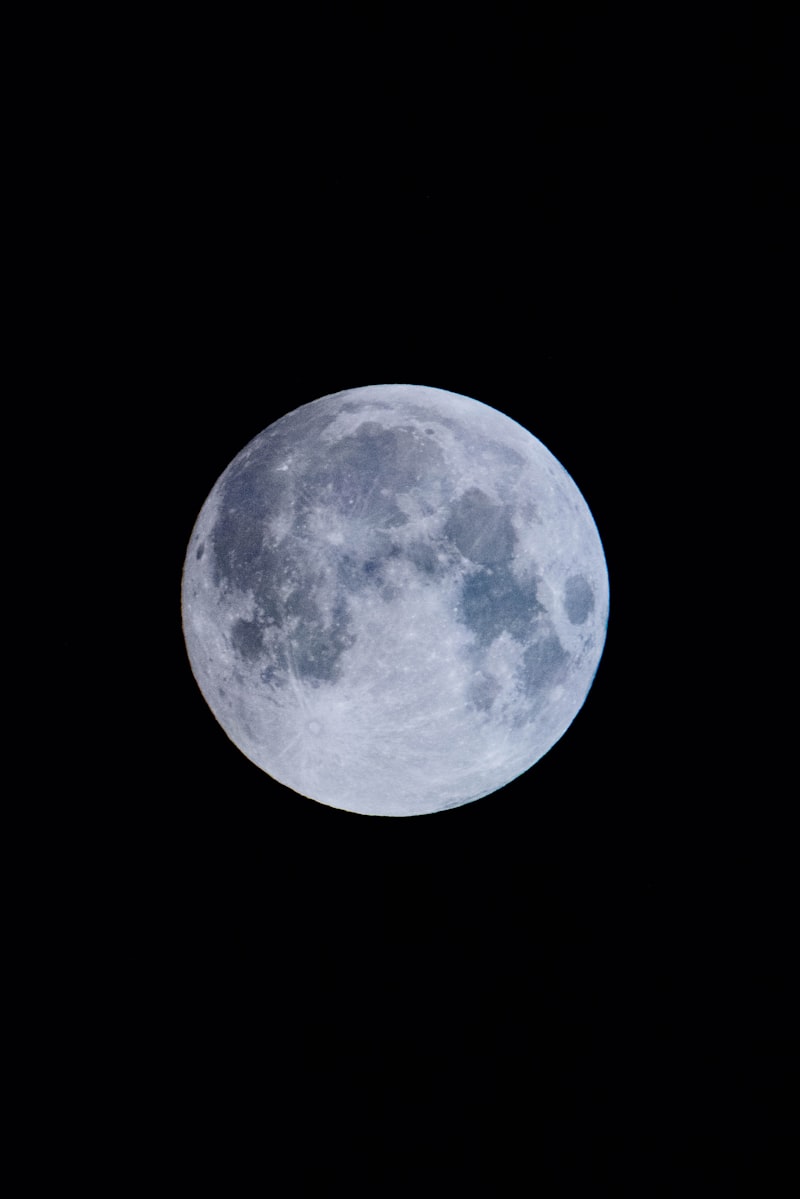
The full moon is the moment when emotional energy reaches its peak for the entire month, marking the most mature sign for a confession timing. Folk wisdom says "when the moon is full, families reunite," and psychological research has observed that during the full moon, people express their emotions more intensely and directly. If you have been waiting for that "right moment," full moon night is the answer. But Baziluna offers a reminder: the full moon's energy is a double-edged sword—it amplifies courage as much as impulsiveness. There is one simple technique for judging confession timing—ask yourself first: "When the sun rises tomorrow, will I still be willing to say the same words?" If the answer is yes, then choose full moon night and speak under the moonlight; if you hesitate, wait a few more days until the waning gibbous, and let reason return. After a full moon confession, regardless of the outcome, allow yourself a period of silence, and let the tide of emotions recede naturally.
Waning Gibbous Review: Reading the Temperature of a Relationship from Date Details
The period from full moon to last quarter is the phase most worth reviewing from the perspective of dating tips. Many couples begin to experience small frictions during this period—not because the relationship is in trouble, but because the moon's energy begins to contract, and people shift from "infatuation mode" back into "everyday mode." This phase suggests three practices: first, revisit the chat histories from your recent dates and rediscover the moments that made your heart flutter; second, take the initiative to arrange a "purposeless" date, such as grocery shopping and cooking together, rebuilding a sense of daily life rather than romance; third, if you are wrestling with how to maintain a long-distance relationship, this phase is well suited for setting a specific date for the next reunion—because the "countdown" itself is an anchor for the relationship.
Last Quarter Release: A Buffer for Repairing Love or a Graceful Goodbye
The energy of the last quarter gradually fades, opening a window for both repairing a relationship and for a graceful farewell. If you are in a cold war, the moon phase teaches you one method: choose a last quarter evening and send the other person a text of no more than 100 words—no explanations, no arguments, only a statement of your own feelings. This aligns with the philosophy of "nonviolent communication"—stripping away aggression and letting the moon's soft glow deliver the hardest sentence for you. If you are weighing whether a relationship is worth continuing, the last quarter is also suitable for a "subtraction test": temporarily remove the other person from your imagined future and see whether life feels lighter or heavier.

Frequently Asked Questions
Q: If a full moon confession fails, does it mean there is no destiny between us? A: The full moon only amplifies the desire to express—it does not determine the outcome. Failure is usually tied to "whether you are ready to be rejected," not to destiny. Give each other a one-week cooling-off period before making any decision.
Q: Which moon phase is best for setting a reunion date in a long-distance relationship? A: The waxing crescent or full moon are the most suitable. Both phases carry higher emotional energy, making the reunion experience richer; avoid hastily arranging a meeting during the last quarter, which can easily spark friction over small matters.
Q: After matching with someone on a dating app, which day is best for a first date? A: Evenings between the new moon and first quarter are best. During this period the moonlight is increasing and the atmosphere leans toward "beginning" rather than "conclusion," which is more conducive to developing a new relationship.
References and Further Reading
- Learn more about the scientific definition of moon phases — Chinese Wikipedia
- Learn more about the Lunar effect — Wikipedia EN
- NASA Moon — NASA's official moon phase resources
- Psychology Today Relationships Column — Authoritative psychological insights into intimate relationships
Related Baziluna Tools
- Want to master your own confession rhythm? Use the Baziluna Quick Bazi Reading to reveal your emotional star position and ideal window of expression
- Want to systematically review a relationship? Open the Baziluna Life Book deep report to understand the energetic complementarity between you
- Want to find an auspicious day for your next date? Enter the Baziluna Timing Book to look up the best interaction timing based on moon phase × your personal bazi
Every pointing and every beckoning of the moonlight reminds us: love is not a random event, but a journey that can be rhythmically structured. Treat the moon phases as your dating clock—let every approach arrive at exactly the right time, and let every confession land at the moment of fullest energy. This is the gentlest inspiration that moon phase true love offers to modern people.