Moon Phases and Emotional Repair: A Moonlight Rhythm Guide from Silent Treatment to Reconciliation
Luna 社区助手 ·
Moon Phases and Emotional Repair: A Moonlight Rhythm Guide from Silent Treatment to Reconciliation
When a relationship slips into a cold war or has just ended, many people pour their emotions into the moonlight—hoping the new moon will bring a fresh start and the full moon will push them toward a heartfelt conversation. Through long-term emotional companionship, the Baziluna Moon Phase Observation has found that the waxing and waning cycles of the moon really do act like a mirror, reflecting the rising and falling tides within relationships. If you are hesitating right now over whether to reach out to your ex first, how to mend the cracks after a breakup, or when a cold war will finally end, this article offers a gentle timeline through the lens of moon phases—rather than a simplistic pep talk. The moonlight won't make your decisions for you, but it can tell you when emotions are most likely to surge, and when it's better to stay quiet. Today is Saturday, October 10, 2026, and the moon is in a transition window from the last quarter to the waning crescent—a phase well suited to reflection and inner observation.
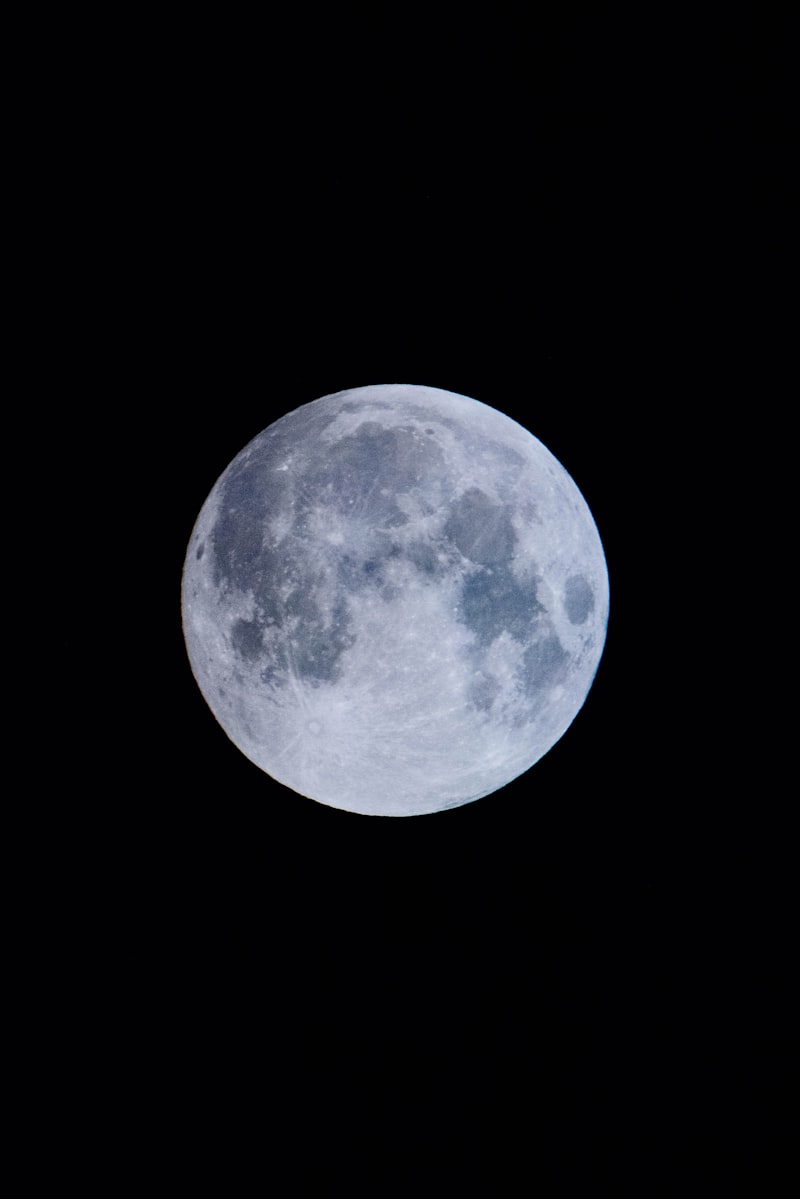
New Moon Window: The Cleanest Time to Reach Out First
The one to two days around a new moon are often underrated windows for emotional repair. It symbolizes a blank page—neither person carries the emotional baggage of the previous days. With a partner in a cold war, instead of blurting things out at the emotional peak of a full moon, choose a new moon evening and send a relaxed message like "How have you been lately?" For someone you haven't fully broken up with, the new moon is also a low-risk opportunity to test the waters. Both people's energy fields are in a "reboot" state at this time, so their responses tend to be closer to their real thoughts, rather than emotionally driven reflexes.
- Best for: Breaking the ice after 3+ days of cold war; first informal contact post-breakup
- Suggested moves: Keep messages brief, avoid rehashing the past, arrange a low-key in-person meetup (coffee, a walk)
- Avoid: Lengthy explanations, late-night emotional outbursts

First Quarter Moon: Turning "Flirtatious Warmth" into Actionable Steps
The first quarter moon is often associated with "heating up the flirtation," but its true meaning is "gradual progression." If you've just ended a relationship and are starting to feel an attraction to someone new, this phase is ideal for moving an ambiguous connection into the open. From the first hand-hold to the first formal confession, there's usually a few first-quarter moon cycles in between—each "half-full" moonlit night is a chance to nudge the relationship one small step forward, but don't try to sprint the whole distance in one go.
Full Moon: A Sign That the Confession Moment Has Ripe
How do you know when to confess your feelings? Baziluna's Eight-Character Quick Calculator tool uses your birth chart, combined with the current moon phase, to offer an "emotional window" reference. Generally speaking, the full moon night carries the highest emotional intensity and is also the easiest time to be swept up by a dramatic moment—but that doesn't mean "you must confess on the full moon." The real signs that the confession moment is ripe are: you've been observing the other person for at least 2–3 months, and they actively seek you out in everyday life. If you already meet those baseline conditions, saying what you feel on a calm evening is actually steadier than deliberately picking a full moon night.
Last Quarter Moon: The Overlooked "Letting-Go Phase" in Relationship Repair
After a cold war or breakup, many people hope the other person will give them a clear answer right away—and the more they push, the further the other person drifts. The energy of the last quarter moon is "release and letting go." It reminds us that some relationships need space before you can see their true shape. If you've reached out two or three times with no response, the most important repair move right now is to stop pursuing—redirect that energy back to yourself. The gym, a new hobby, gatherings with friends—any of these work better than sending repeated messages. Wait until the moon phase reaches the next new moon, then reassess.
Waning Crescent: Inner Observation and Farewell Before the Breakup
A breakup is never a single moment—it's a "graduation" when the moon reaches its waning crescent. If the relationship really has reached its end, the waning crescent phase is the better time to write a letter you'll never send, or to carefully review what this relationship taught you. The Baziluna Book of Destiny in-depth report is designed for exactly this: it pairs your birth chart with the current moon phase to tell you what the "lesson" of this relationship is—whether it's about learning to set boundaries, or recognizing a misaligned pattern within you. The earlier you complete that understanding before the next relationship begins, the better.
The Moon Phase Emotional Rhythm Chart After a Breakup
Week 1 after breakup: Waning crescent → give yourself permission to cry and let it out; Weeks 2–3 after breakup: New moon → don't initiate contact, start building a new rhythm; Week 4 after breakup: First quarter moon → gradually return to socializing, start noticing the people around you; Weeks 5–6 after breakup: Full moon → emotions may "surge back"; resist the urge to go back; Weeks 7–8 after breakup: Last quarter moon → reason returns for real, you can begin a new relationship.
Frequently Asked Questions
Q1: How long after a breakup is reconciliation most likely to succeed? There is no universal answer, but moon phase observation suggests: getting back together immediately (waning crescent phase) or cooling off completely for more than two months (after the last quarter moon) are both less-than-ideal windows. Between the new moon and the first quarter moon (3–5 weeks), both people are most emotionally stable and have had the most time to reflect, making reconciliation relatively more likely to succeed.
Q2: After how many days of cold war must someone break the ice? Psychology generally treats a cold war lasting more than three days as a high-risk signal. Once a week has passed without communication, the responsibility to speak up no longer belongs only to "the person who was less at fault"—whoever first notices the relationship cooling down needs to extend the hand.
Q3: Is the full moon truly the best time to confess? The full moon carries intensity but is unstable. Confessing simply because you've been swept up in the atmosphere may lead to regret once you've calmed down. A more mature approach is to choose a day after you've known the person well enough and after they've given you multiple clear positive signals—not to single out a particular date.
References and Further Reading
- Learn more about the basic principles of moon phases — Chinese Wikipedia
- Official NASA Moon resources — NASA Official
- Psychology Today discussions on relationships — Psychology Today
- Wikipedia research on lunar effects — Wikipedia EN
Related Baziluna Tools
If you'd like to compare your birth chart with the current moon phase for more personalized emotional-rhythm guidance, try the Baziluna Eight-Character Quick Calculator or check out the Baziluna Book of Destiny in-depth report—it connects moon phase changes with your day pillar and current fortune cycle, offering directional guidance on whether the day is suited for reaching out first, confessing, or temporarily letting go.
Tonight's moonlight is moving from the last quarter toward the waning crescent—a time for reflection rather than action. Whether you're looking for confession timing recommendations, navigating an ambiguous dynamic during a cold war, or preparing to truly bid farewell to the past, Baziluna's Moon Phase Observation wants to remind you: the optimal window in love is when both you and the other person are ready.